
Photography may have always been the most contested art medium: criticized for depicting the world simply as it is, for documenting mere facts that do not require an artistic eye. Yet photography is never neutral. It is meticulously constructed to relay a certain narrative; it is biased; it chooses what to depict and what not to, and it invokes an emotional response — what more could you ask for from art?
As I write my senior thesis on how photography kills time and saves the intimacy and fragility of young adulthood, I have been reflecting on some of the photographers who have had the biggest influence on me — how they have defined how I think about and create my own photographs and exercise critical visual thinking.
Nan Goldin
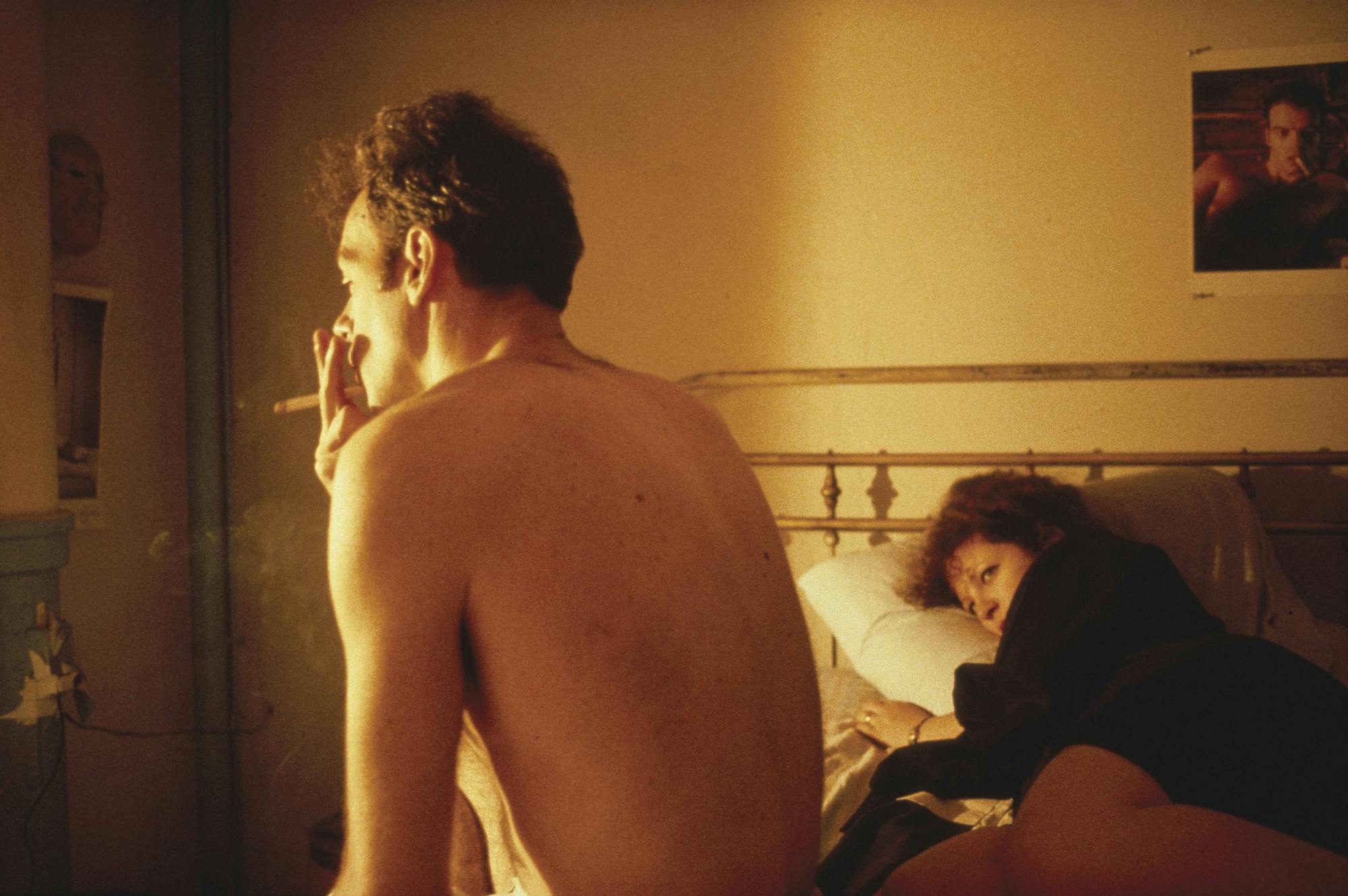
Nan Goldin is one of the most influential photographers of our time. Goldin’s “The Ballad of Sexual Dependency,” composed of over 700 images, unflinchingly explores intimacy, love and loss through raw, authentic imagery embedded in a personal narrative. From New York to Boston to Berlin in the 70s, 80s and beyond, Goldin’s friends, lovers and Goldin herself dance relentlessly in nightclubs, gather in apartments and conquer sunlit city streets. Her work functions as a tribute to those she had lost to the AIDS epidemic, serving as a way to keep their memories alive.
Goldin often describes how she took these pictures so that nostalgia could never color her past. It is a record, a public diary, that reveals exactly how her world looked at the time, a world in which viewers could see themselves. She refuses to soften or reconstruct the complexities of human life, yet she simultaneously creates a dreamy sensation through warm tones, cigarette smoke and blurry, low-contrast images — qualities that result in a moving image, an experience, rather than a static object.
Jim Goldberg
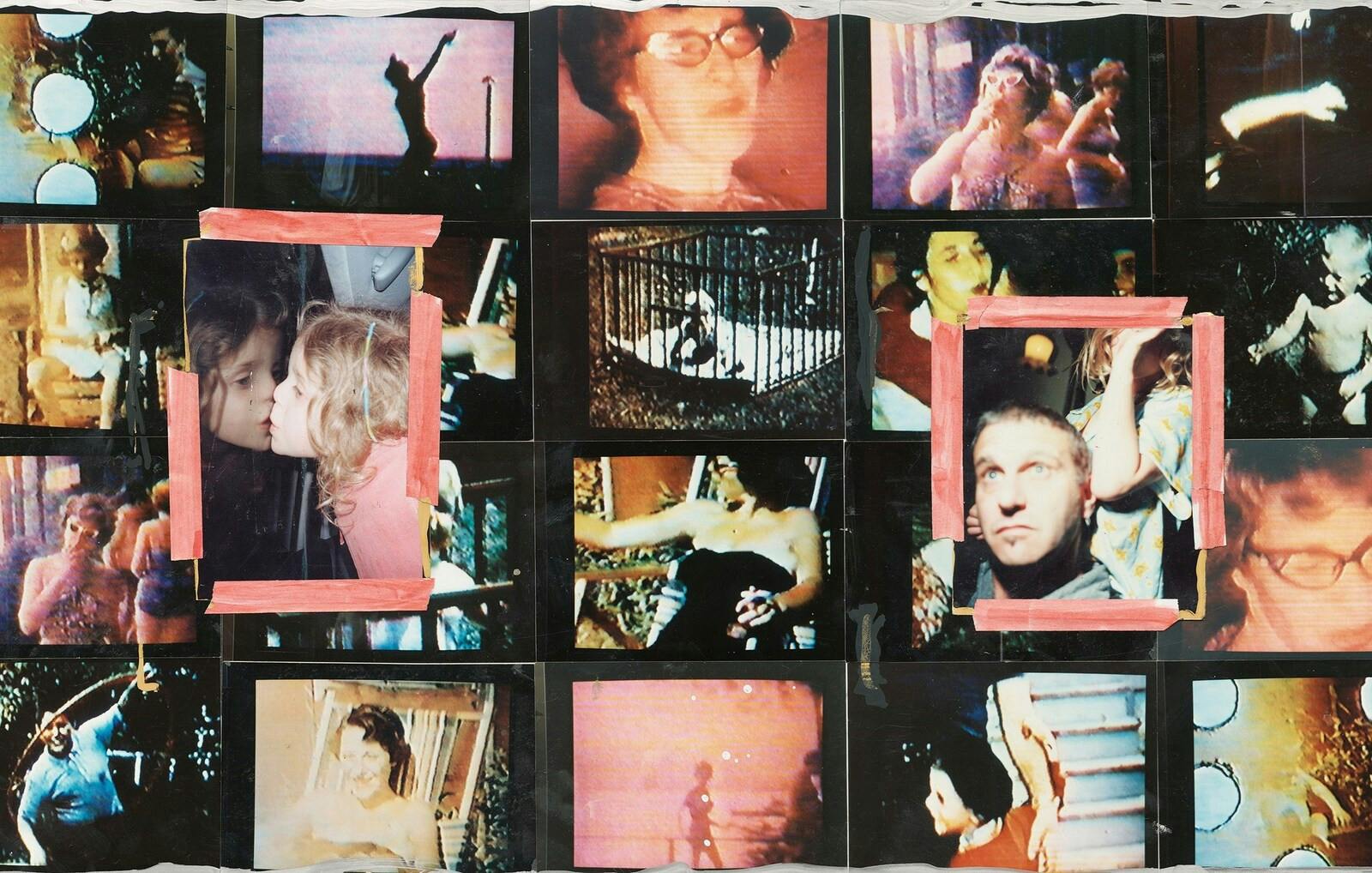
One of my favorite visual mediums is the weaving of photography, letters and handwritten notes — a form that Jim Goldberg executes masterfully. His book “Coming and Going” chronicles his life from the 1980s, following the death of his parents, his marriage, divorce and the birth and childhood of his daughter. He shares a typed letter he wrote to his father, locks of hair and a Polaroid on which he has written, “THIS IS THE MOMENT I FELL IN LOVE.”
Despite the personal nature of his narrative, the viewer also experiences a connection with Goldberg and a sense of the universality of love, loss, pain, and all the emotions that come with the complexities of everyday existence. Some pages feel like holding a collage he made; others are akin to holding life-size objects in your hands.
Goldberg’s work serves as a poignant reminder that photography has no limits and that what a narrative should look like is open to interpretation.
Justine Kurland
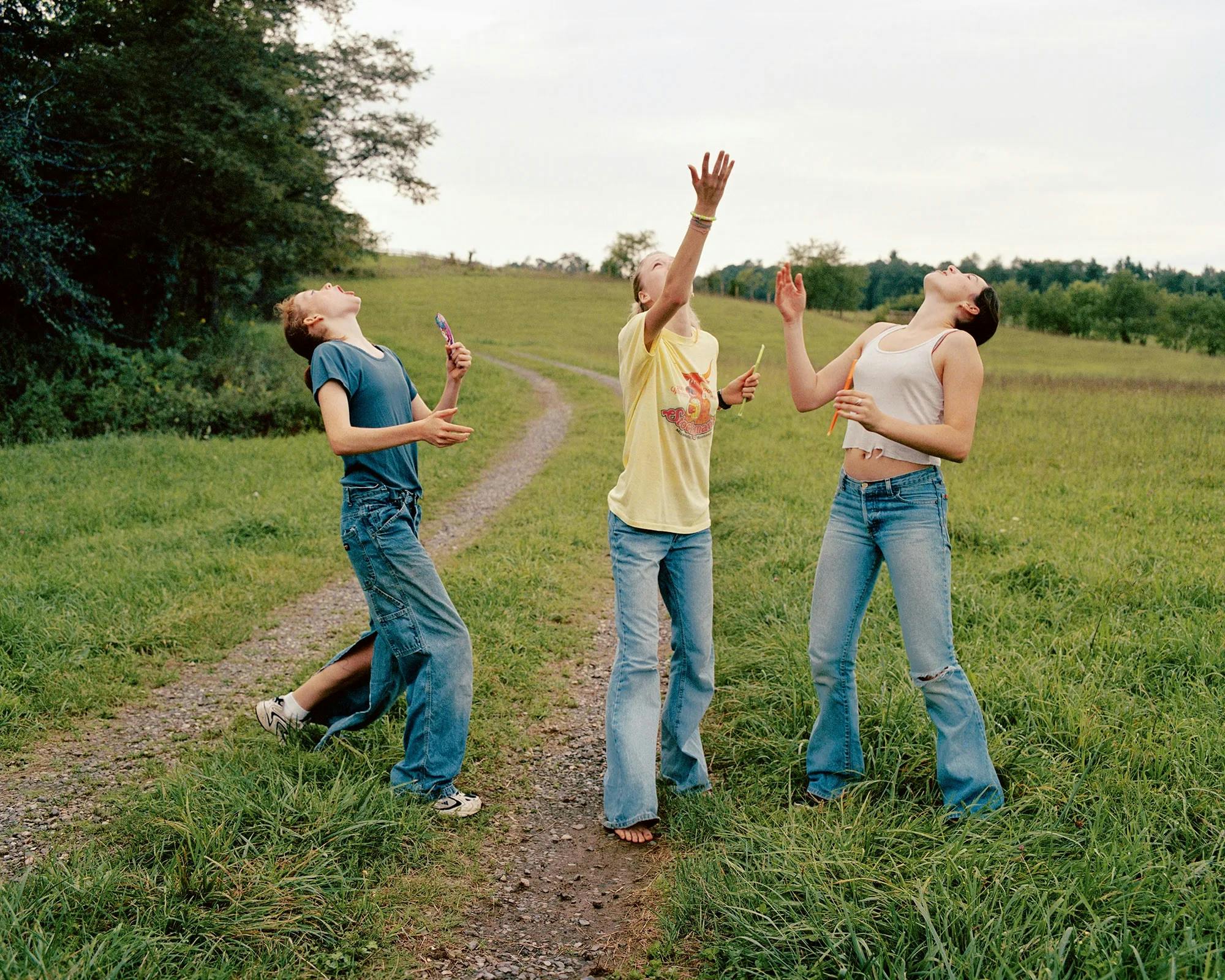
Justine Kurland fueled my love for art photography as a teenager and paved the way to defining my personal photographic aesthetic with her soft lighting and idyllic, lush surroundings. Her book “Girl Pictures” romanticizes the lives of teenage girl runaways, creating a world of endless freedom, “a perpetual state of youthful bliss,” as she writes in the book.
Kurland freezes this moment of an identity in flux, creating a peaceful, intimate depiction of moments that would otherwise slip out of our fingertips — the moment a candy is thrown into the air, the instant a girl blows a massive, pink gum bubble, and even the second spit falls out of someone’s mouth. There is so much uncertainty for these teenage girls, and Kurland doesn’t make them look shy, but rather, empowered.
Wolfgang Tillmans
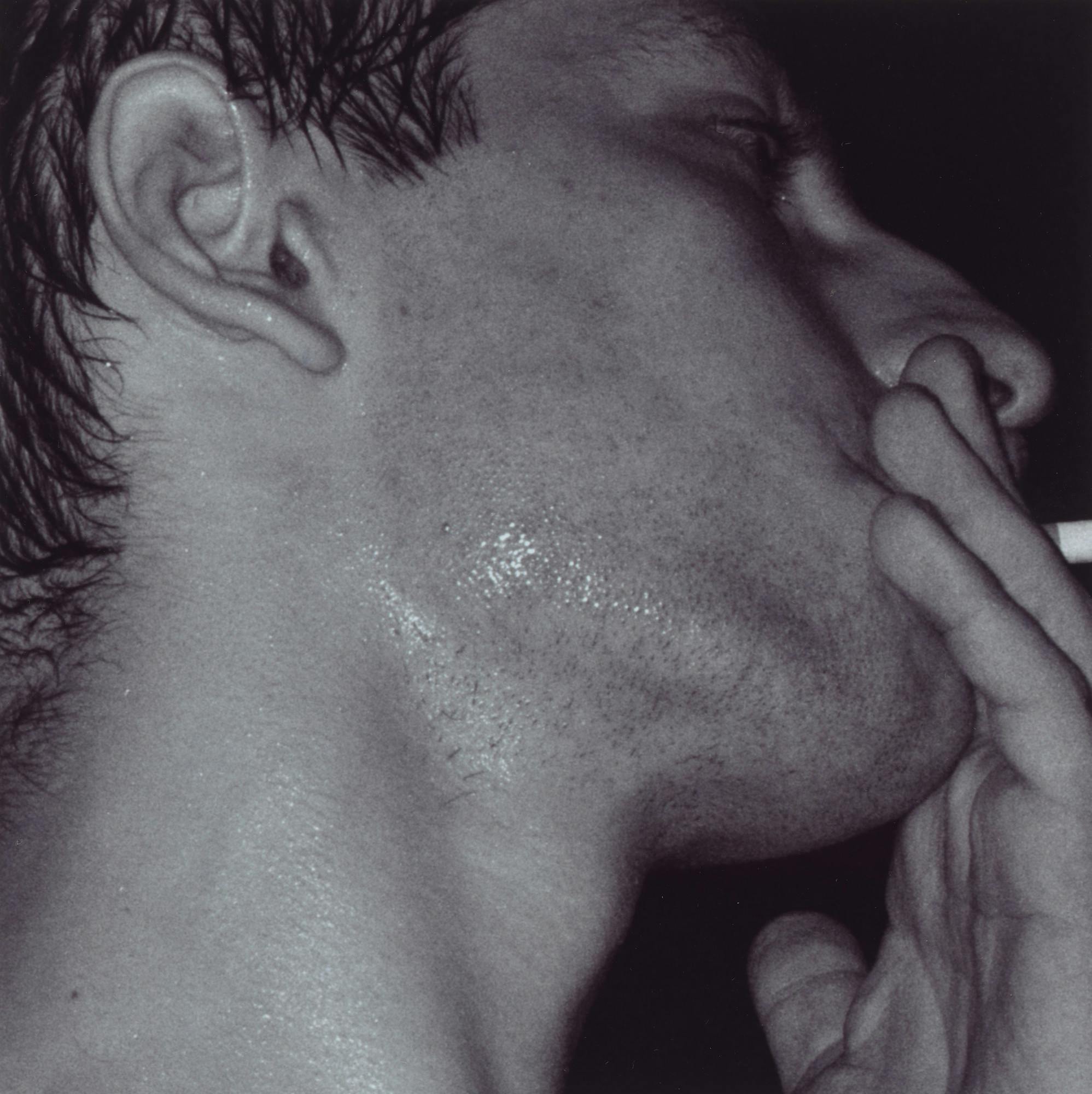
Wolfgang Tillmans, Chemistry square, smoker, 1992.
I have delved into the German photographer’s work through my thesis research, and I feel lucky to have been exposed to his world of melancholy, intimacy, nostalgia and queerness. Drawing on his sonic creativity, he captures movement rather than stillness in his photographs. He documents friends, lovers and strangers alike in close-up, intimate moments, often in clubs and apartments. Like Goldin, his vantage point is that of an immersed participant rather than an outside observer.
For Tillmans, nightlife is a spiritual practice, a space for experimenting with new ways of moving, feeling, existing, together and alone, which speaks to his depiction of sexuality and gender. His experimental photography has always been highly political, creating a space where viewers can find themselves in a wide representation of race, gender and sexuality.
Fun fact: I recently found out that Tillmans is the photographer behind the album cover of Frank Ocean’s 2016 album, “Blonde,” so chances are you have already encountered his work.
Sophia Cutino
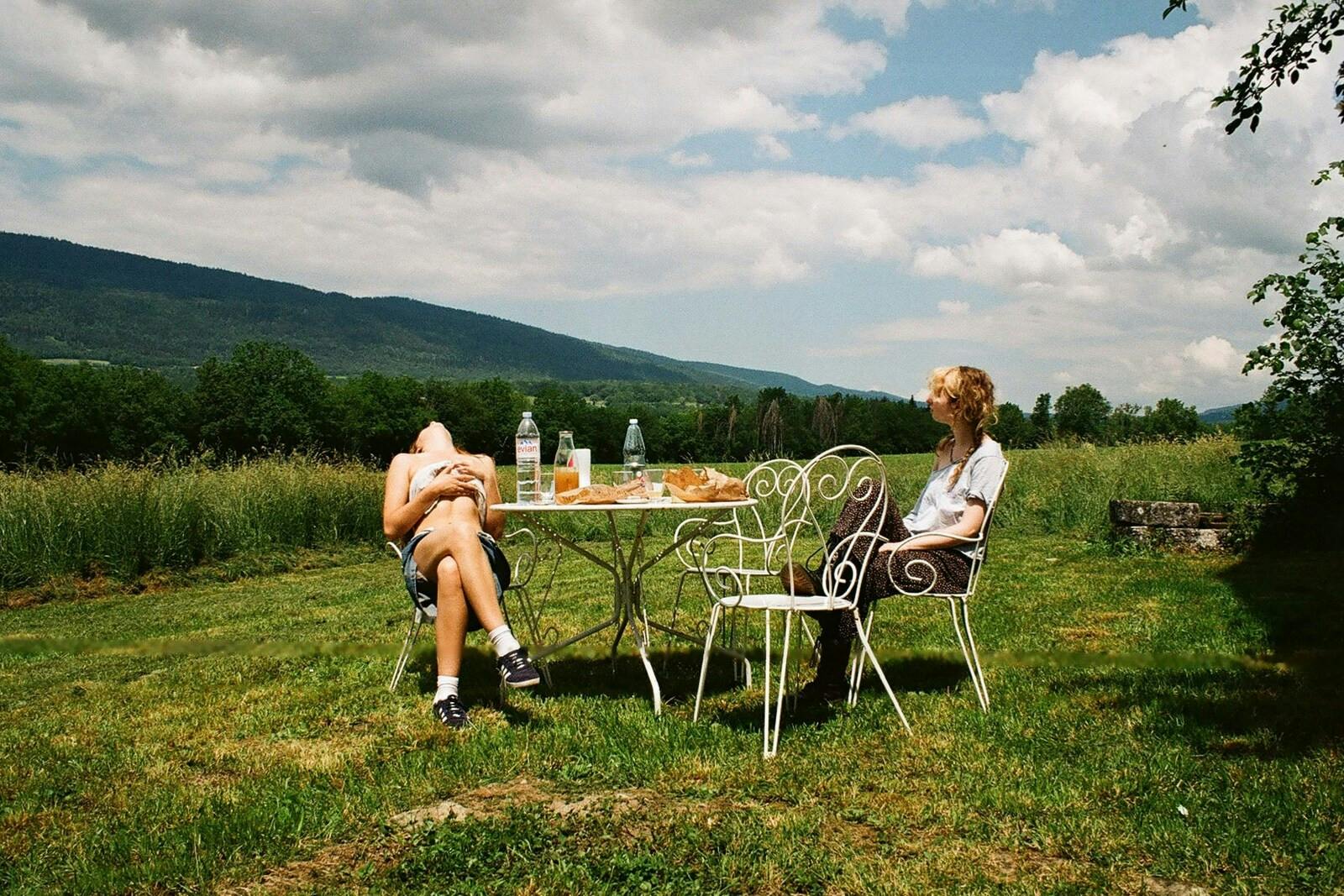
One of my favorite places to pass time on the internet is looking at Dazed Magazine, where I discover smaller, up-and-coming young photographers. I keep coming back to Sophia Cutino, who is driven by “the fear of losing a moment or a feeling,” propelling her to preserve everything, from pictures to receipts.
She describes her debut photobook, “Diaries of a Wet Bird,” as “both a coming of age and an obituary,” piecing together images of female adolescence, reminiscent of Kurland’s work with its pairing of beauty and decay. The book begins with black and white images and then slips into color, creating a sensation of piecing memory and narrative together.
“Photography is like taxidermy to me. It challenges time directly, prolonging moments beyond their expiration date. It delays what is fleeting, so you can hold its beauty in your palm a little longer,” she explains. “But photography and taxidermy both take away a portion of what exists – a portion of the original entity that can’t ever be had again.”
Maya Alexander ‘26 (she/her) is an Editor at Large.
She is a sociology major and intended French minor from New York City. She loves getting lost in her Pinterest feed and staging spontaneous photoshoots, occasional yoga and a solid iced oat milk maple latte.


