
Four months after the release of “Rat Saw God”, their “lightning bolt of a fifth album” as described by Pitchfork Magazine, alternative-rock band Wednesday released a mini documentary called “Rat Bastards of Haw Creek.” Shot by filmmaker and friend of the band Zach Romeo, the documentary feels casual, showing everything from the mundane parts of the band's life to their frenetic local shows. There are attempts at fishing, talk of root vegetables, chess games on a front porch and sewing projects that will eventually end up in the hands of fans. This is a snapshot in time for Wednesday on the property folded into the Blue Ridge mountains called Haw Creek, where most of the band’s music is recorded. Later that year the land would be sold, signaling a quiet but tectonic shift for the band.
Similarly tectonic was the release of Wednesday guitarist MJ Lenderman’s solo album “Manning Fireworks” and the artist’s breakup with Wednesday frontwoman Karly Hartzman. Things had changed. MJ Lenderman would no longer tour with the band, and the band’s home base since their inception had been bought up by contractors. Wednesday stayed together, but some of the key ingredients of its identity had been changed.
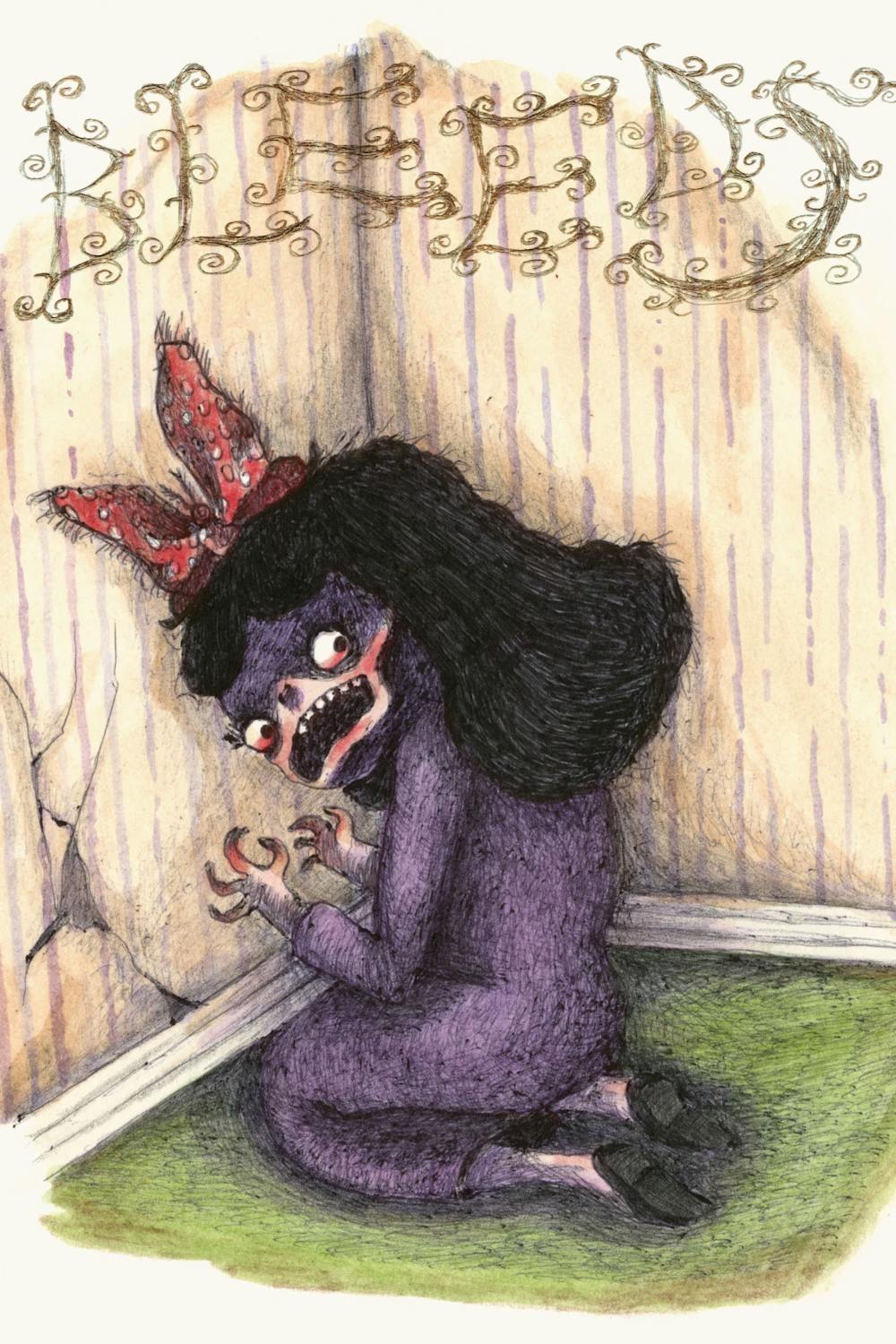
However, when the band's sixth project “Bleeds” released this past Friday, Sept. 19, any question of their consistency was put to rest. Wednesday has always walked the line between Appalachian stylings and shoegaze, noise and twang. The opening track “Reality TV Argument Bleeds”, however, is full of noise, as walls of sound surround Hartzman’s recollections. “Townies” leans in the opposite direction, musing on returns to the sameness of one's hometown. This makes sense for Wednesday; regardless of tours around the world, they remain very much from Asheville, NC and from the hemlocks and maples of Haw Creek. The track “Gary’s” off of “Twin Plagues” and its sequel “Gary’s II” on “Bleeds” are not elaborate rock ballads as much as stories about an old friend (in this case the landlord of Haw Creek).
Limiting Wednesday’s “fromness” to just the Blue Ridge Mountains, woods and creeks however, is a disservice to the band. They are also shaped by the chipped teeth, dissassociation, “squirrel-killers” and fights with biker gangs. “Pick Up That Knife” is layered with this sense of malaise, describing a feeling of being stuck within places and communities that resist change. The noisiest track on the album, “Wasp”, carries its pessimistic lyrics with screamo vocals: “I’m sick, can’t f*ck, push the paint around / Castrated in my mental death / God’s plan / Unfolds / So slow.”
“Bitter Everyday” is more melodic but details all the same talks of the decline in the things that the band once held to be untouchable. Life as the band knew it is not, and will not be, the same as it was, and it is a hard pill to swallow.
Yet many of the songs come as badges of survival against these conditions. My personal favorite off the album, “Wound Up Here by Holding On”, draws from a friend’s book of poetry, painting stills of shithead exploits that are simultaneously withstood and cherished. Indeed, Hartzman sources her lyrics from several worlds: these exploits, literary references, video game franchise “Mortal Kombat”, conversations and old television series. Sometimes these songs are about one specific story, other times they focus on creating an image of a moment in time.
The album’s debut single “Elderberry Wine” is celebratory, like sitting on camping chairs in a wooded area, while “Candy Breath” is a fun song that feels akin to jumping off a fraying rope swing into murky green water.
The most poignant image in the album, however, is the one found in the song “The Way Love Goes”. The track was written during Lenderman’s and Hartzman’s relationship, and details the imperfections yet constancy of their love. It is a time capsule, with lamenting lyrics and soft vocals, and this album is a testament to their mutual appreciation for each other, even now.
On their label’s promotional page for “Bleeds”, Hartzman is quoted saying “Bleeds is the spiritual successor to Rat Saw God”. However, this moniker doesn’t feel right. Sure it is as “countrygazey” as the band’s previous project, and is set in a lot of the same places. But this album feels both more fraught and more characteristic of the band. Perhaps it is because the band’s ethos is not focused on the wide acclaim that they now receive nor the consistently far reaching locales on their tour list. It is instead discomfort, frustration at not having things figured out, nostalgia and a deep appreciation for what is right in front of them. In this way, this album being a product of right now and all the time leading up to it makes it the band’s best yet. A project coming from the third day of the week, but necessitating a listen all seven. Days that is.
Gus Morrill '27 (he/him) is an Arts & Culture Editor.
He is a Comparative Literature Major with a focus in Spanish and Arabic. Outside of The Campus he is also involved with Matriculate, the Blackbird Literary Arts Journal, Club Jiu-Jitsu, and Middlebury Discount Comedy. In his free time you can find him knitting, listening to music, or watching his favorite soccer teams lose.


