
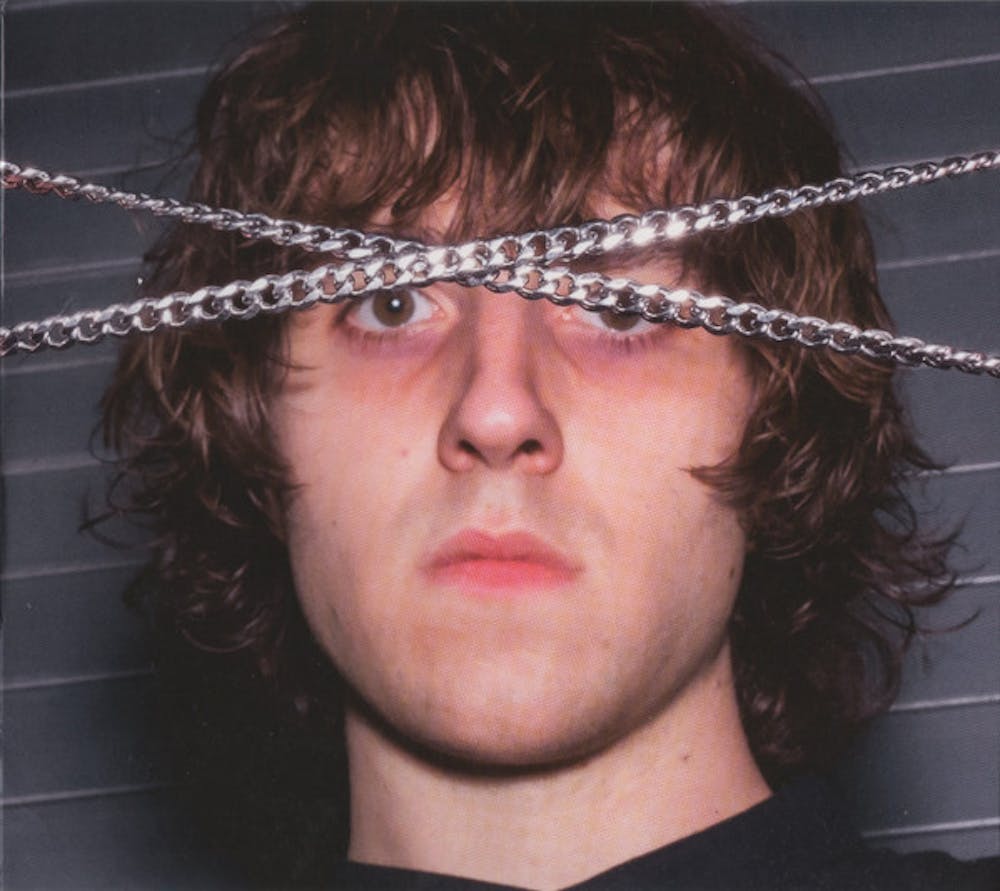
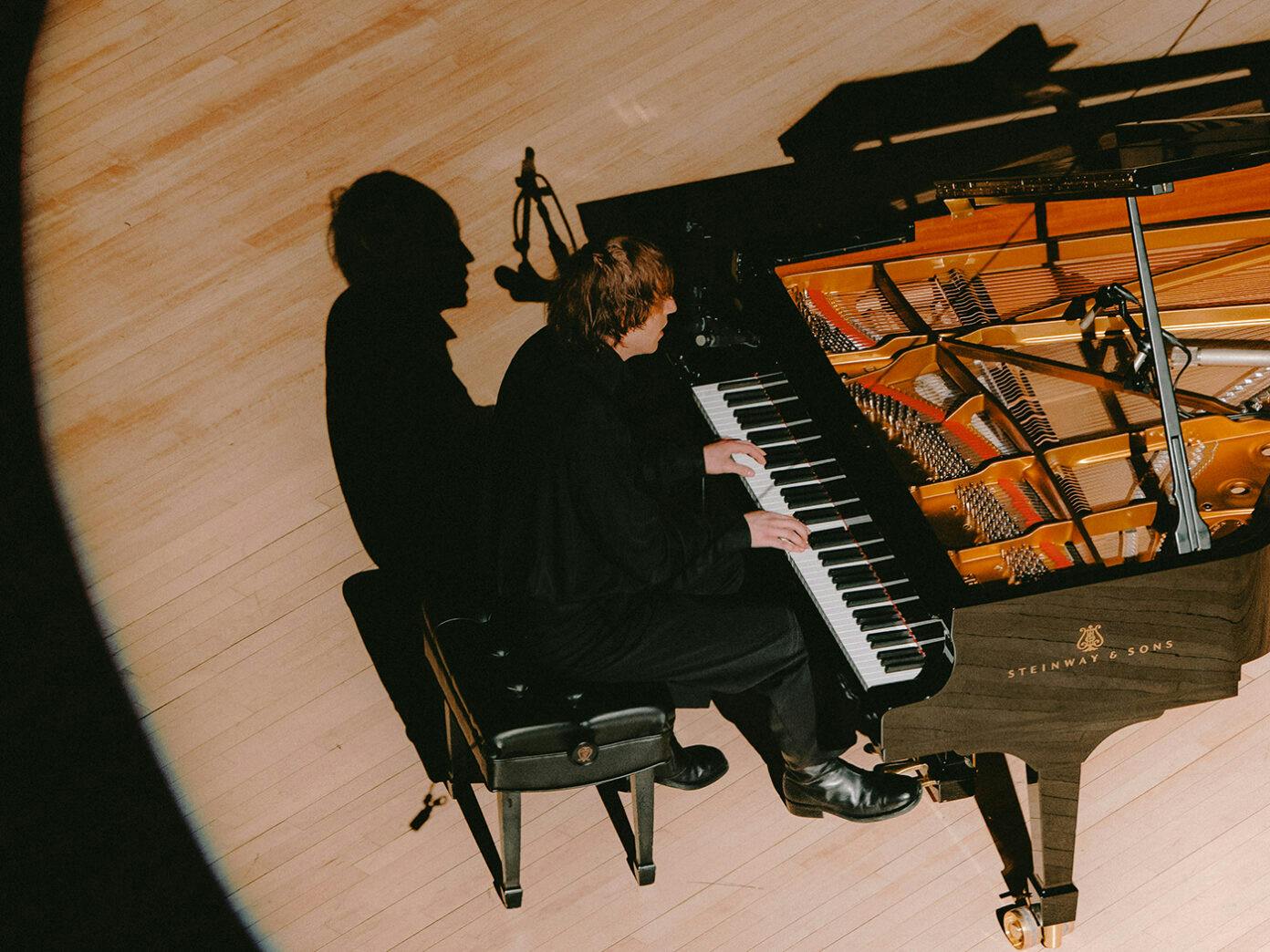
Cameron Winter, Gen-Z’s most recent alternative-rock-indie-folk, sunken-eyed, socially awkward, too-cool-for-instagram, boyishly charming, musical darling, has risen to the coveted rank of being called a genius by both elite music critics and youthful fans. From what he has shared with the world so far, whether as the frontman of Geese or on his solo record, he seems pretty deserving of the love. Some may dislike his grumbly baritone voice, or accuse him of being an ‘industry plant’, but it is impossible to disregard that he sold out a headliner show at Carnegie Hall at a ripe 23 years old. The humble stage presence of him and his piano, his face turned away from the audience, was captured by the revered filmmaker Paul Thomas Anderson, convincing the hundreds of other onlookers that they were part of history in the making, part of the moment.
The internet has plagued us with the incessant need to prestige-ify something before we give ourselves the chance to enjoy it. The patience to allow art a moment to breathe before being admired has disappeared. With Cameron Winter, this makes him an instant genius. But this is only half an internet phenomenon; it’s also a gender phenomenon. Male artists are spared the skepticism and endless debate that follow female artists, and are instead accepted as self-evidently great. Bob Dylan, Winter’s most frequently cited cultural parallel, is treated as a prerequisite for musical literacy: if you don’t get Dylan, you don’t get music. Yet if someone dismisses Joni Mitchell as “self-congratulatory,” which Greil Marcus does with ease, they can stay one of the most prominent music critics.
“Desperation looks good on Geese”, is the opening line of the Pitchfork review of their most recent album, “Getting Killed.” “When men open up, we see it as vulnerable and powerful,” said Kristina London, founder of the non-profit Amplify Her Voice and project manager at LiveNation Women, during our interview, “and with women, there is a sense that we’re exhausted from it.”
Fiona Apple — often described as bold and angry — opens her 2020 album, “Fetch the Bolt Cutters” (which received Pitchfork’s first perfect ten for a female artist in a decade) with the song “I Want You to Love Me,” sung in unapologetic desperation.
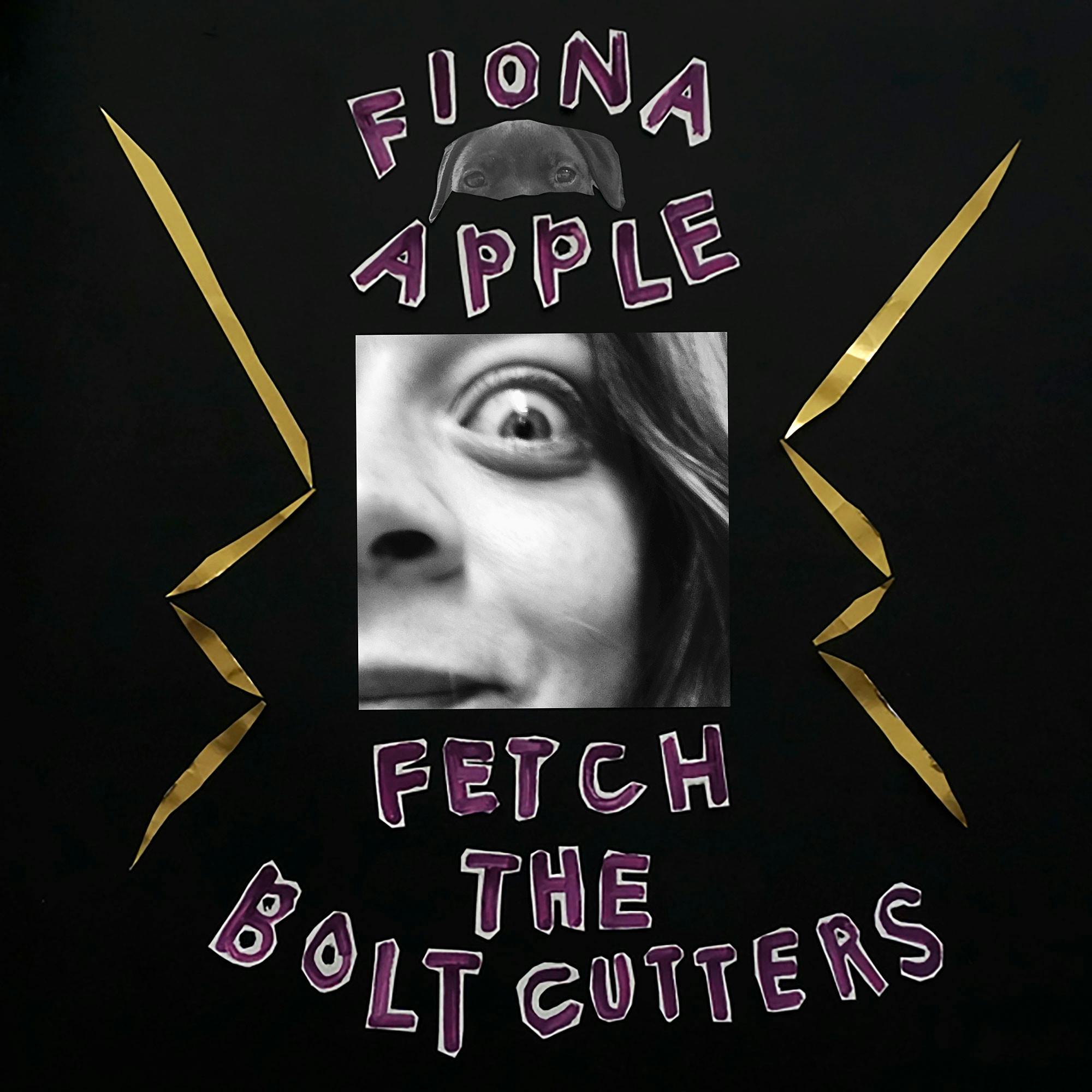
While both Fiona Apple and Geese's albums were widely appreciated, the world receives and interprets their desperation in markedly different ways. During the last minute of “I Want You to Love Me,” Apple’s voice cries in tune with a dolphin's whistle. Not only does her desperation make critics uneasy, but it also allows them to call her “a magnet for pain — a victim that men try to ‘save’ and end up hurting.” When she resists through her music, she’s hailed as audacious and brave. But what if it wasn’t audacious for a woman to fight against years of abuse and sing about seeking connection? Pulling off desperation as a woman does not earn the praise Geese receives; instead, it invites rescue.
Sexism in the music industry is no secret. Kristina London, regarding her experience behind the scenes of the music industry, told me during a phone call that “with gender equality and music, a lot of things are anecdotal or patterns and very difficult to prove. I mean, how do you quantify things not being looked in the eye by men?” Despite not being hard evidence, the individual experiences speak with unmistakable clarity and demand attention.

In my conversation with William Nash, professor of American Studies and English, who researches music and social power, we discussed how sexism operates differently in the music industry. With music, “The difference is that it is public, the body is on display,” he told me, “it is an embodied art form.” Cameron Winter’s body has the freedom to sing both tenderly, as he does in his single “Take It With You”, and with an angsty warble as he vows that “God is real, God is actually real” in “$0.” Yet, when we think about the genres in which women are unchained from their conventionally feminine voices, it is, for example, in “riot-girl punk rock.”
“The one place where women are allowed this unfeminine vocal style is in these subgenres that are by definition transgressive… those who have been allowed to be great without having a feminine voice, have had some other part of their identity be transgressive,” Nash explained.
This is not to say the female voice should never be soft or delicate; there’s real power in that. But what matters is having the freedom to be one with your voice, with no facade, and to know someone will listen without any preconceived notion of how you should sound. And as Nash said, “That kind of expressive freedom from women would require a release of what we think the female body is.”
Beyond the industry’s overt sexism, where women are rewarded for their bodies and men for their brilliance, there’s a quieter misogyny: we simply prefer male anguish. Something about it is more grounded, less scattered; more digestible, less confessional. Though men may be policed elsewhere for emotional vulnerability, in music, they can wail and shriek and are met not with discomfort but with acclaim. As a generation with an invisible counterculture and nauseating nostalgia for a time we never knew, we are yearning for a shining light, a Cameron Winter to remind us of what we know we are missing. This liminal moment is our opportunity to let the female voice be genius, let women be idols beyond icons and let feminine desperation look good.


