
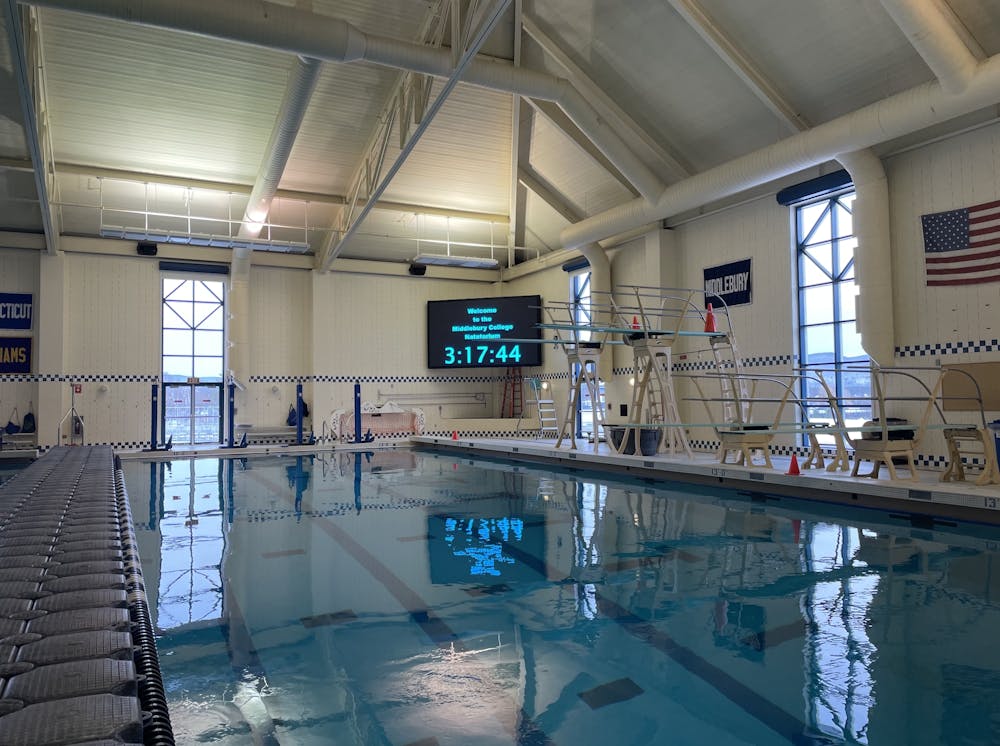
It looks like a test for the Navy SEALs or, when done with your hands out of the water, a curious form of medieval torture. Head bobbing and body inching forward as you choke on chlorinated water, athletes who have aqua jogged attest that it can certainly feel like both.
In this issue of Tapped-in, I dive into the world of aqua jogging to explore the unique, unconventional training method known for its difficulty, which endurance athletes begrudgingly embrace.
Aqua jogging is the practice of running underwater. Some wear a flotation belt while submerged, though with practice, many leave it behind. Aqua jogging is an indispensable form of cross-training for endurance athletes, as it simulates the motion and cadence of running without the impact, making it particularly valuable for those nursing injuries.
Proper aqua jogging form is deceptively difficult. It is crucial for athletes to engage their core and stay as vertical as possible, simultaneously pumping their arms as if running. Keeping your hands in a fist makes it harder, but many cup their hands to better stay afloat in the deep end. Remaining upright in the water can be counterintuitive, however. Many instinctively lean forward and begin kicking, striking an awkward compromise between running and doggy paddling.
The temptation to break form is amplified when aqua jogging with others. The pace of a proper aqua jog is humblingly slow, and it only takes one doggy paddler to lead an entire group astray. In aqua-jogging, forgoing an entertaining conversation with the group ahead is often necessary to maintain proper form.
As Nordic skier Shea Brams ’26 described: “Speed is not the answer.” In fact, if you’re measuring an aqua jogging workout by speed, you’re probably doing it wrong. The only feedback one really has is their heart rate and perceived effort.
“It’s very effort-based,” Track & Field runner George Madison ’26.5 said. “There’s not necessarily one pace or one power output that you can really lock in on, but I think that helps mentally to be able to push yourself really hard.”
The mental strengthening that results from aqua jogging is of equal magnitude to any physical gain. Without your favorite show, or the only available live sports game on ESPN+, or even Spotify’s curation of punchy EDM songs — a long aqua jogging session becomes a monotonous test of endurance among conditions of relative sensory deprivation, perfect for sharpening focus.
“It’s boring. It’s really boring,” Zach Utz ’26, Track & Field captain and self-proclaimed biggest team aqua jogging fan, said. “It also just sucks. It’s markedly harder than the elliptical or the bike, and I think that turns people off.”
Brams has developed her own strategies to pass the time in the pool.
“I don’t think that I enjoy [aqua jogging], but I don’t dread it,” Brams said. “You can do squares, you can do laps. Sometimes I do shapes. I can spell out my name. I feel like you can do anything.”
The fact that aqua jogging is physically hard and mentally tedious, though, is its greatest asset. Especially for endurance athletes, who specialize in coexisting with and overcoming pain, aqua jogging is a powerful tool.
“Running workouts are really hard but something we’re really used to. With aqua jogging you have to get yourself in the mindset [that] it’s supposed to be the same hard,” distance runner Harry Griff ’26 said.
For those unconvinced of aqua jogging’s challenge, cross country head coach Nicole Wilkerson offers an “Aqua Cardio” PE elective. The course is not for the faint of heart, however.
“[Students] think it’s gonna be an easy class,” Wilkerson said. “But right out of the gates in the very first class you’re doing intervals… I’m gonna have it be a good workout. I’m not wasting people’s time.”
One first-timer left nauseous because they had not worked out that hard in over a year. Jack Underwood ’26, however, has become a true aqua jogging believer. Underwood took the course as a sophomore and, having found the training effective, returned for more this J-Term.
Beyond her PE course, aqua jogging has become synonymous with coach Wilkerson’s training plan for Middlebury’s running program. From 2013 to 2015, as the indoor track was being built, track athletes trained either outside or in the natatorium in the winter. In March of 2015, after countless hours spent running in the pool, three women’s track & field runners earned All-American honors — including the individual title — in the indoor mile at nationals. “It’s not easy, but 100% you can get the job done,” Wilkerson reflected.
Coach Wilkerson is also known for her ambitious workout prescriptions.
“Nicole writes the aqua jog workouts as two by two minutes all out, four by one minute harder than that, and five by 30 seconds drown yourself,” Griff joked.
To Wilkerson, the descriptions serve as a reminder of how hard the workout should feel, yet she recognizes the humor of an all-out effort followed by a harder all-out effort.
“That is probably what people have laughed about me most since I’ve been here at Middlebury,” Wilkerson said. “People that graduated 20 years ago will still make fun of me for that.”
Aqua jogging is the proverbial vegetable in an endurance athlete’s cross-training toolkit: it might not be pleasant or enjoyable, but it is good for you. Of all the athletes I spoke to, each acknowledged that, despite the misery aqua jogging can cause, it is the most effective method of cross-training.
There’s only one way to understand the true challenge of aqua jogging: to do it yourself. You can bring friends, if you can convince them, or pass the time with waterproof headphones. If neither of the above pans out, then you can always tackle aqua jogging the purist’s way— but you’ll be better for it.
Simon Schmieder '26 (he/him) is a Senior Sports Editor.
Simon is an avid runner and biker and enjoys spending time outdoors. He is a philosophy and political science joint major with a minor in German, in addition to being a Philly sports fan.


