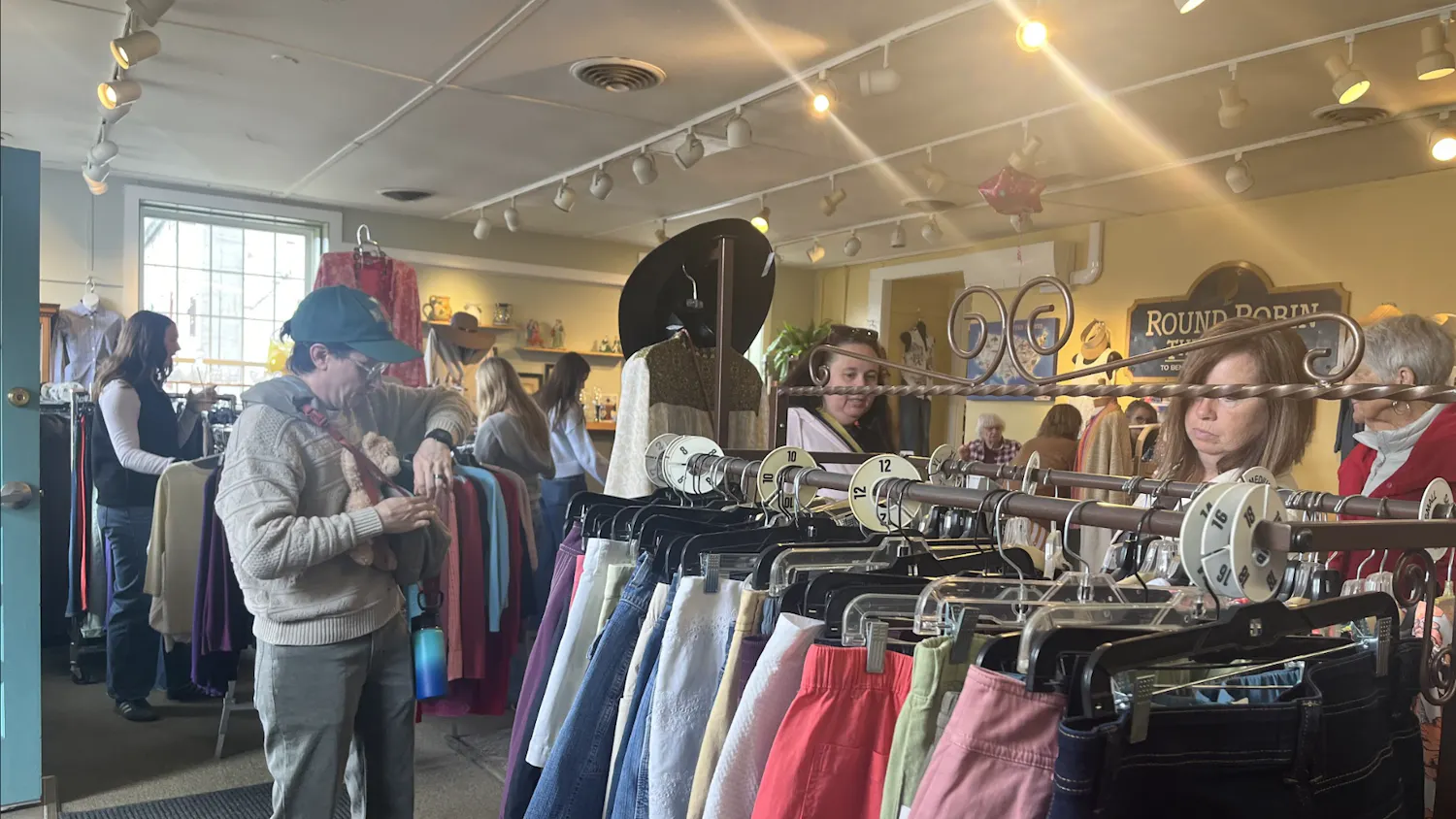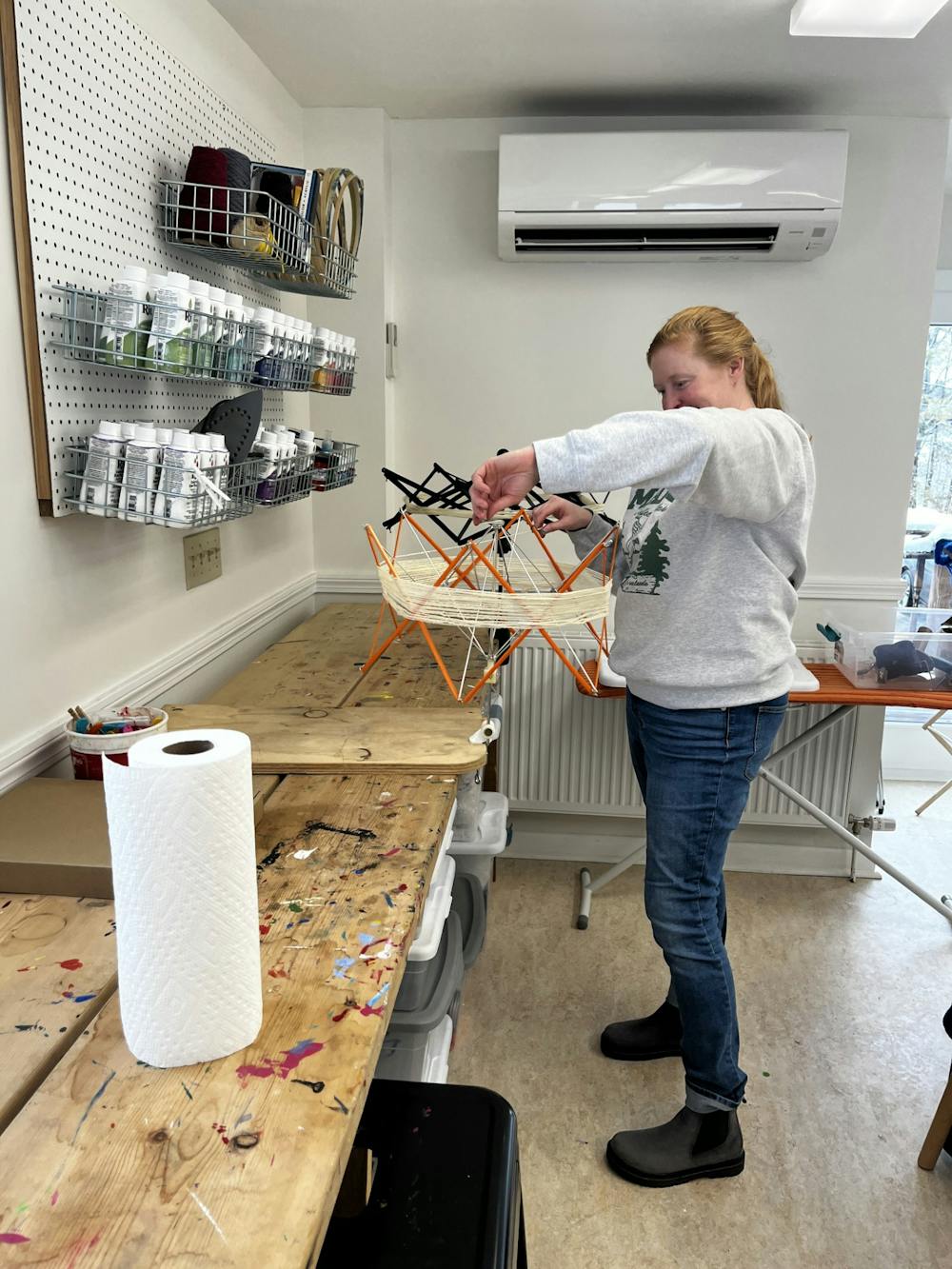
Having kicked off on Jan. 3 and continuing through April 2026, members of the Middlebury community will knit portions of the Henry Sheldon Museum’s Community Tempestry Project, to be displayed in the museum starting in May 2026. A tempestry is a form of knitted fiber art that visualizes and communicates climate change data.
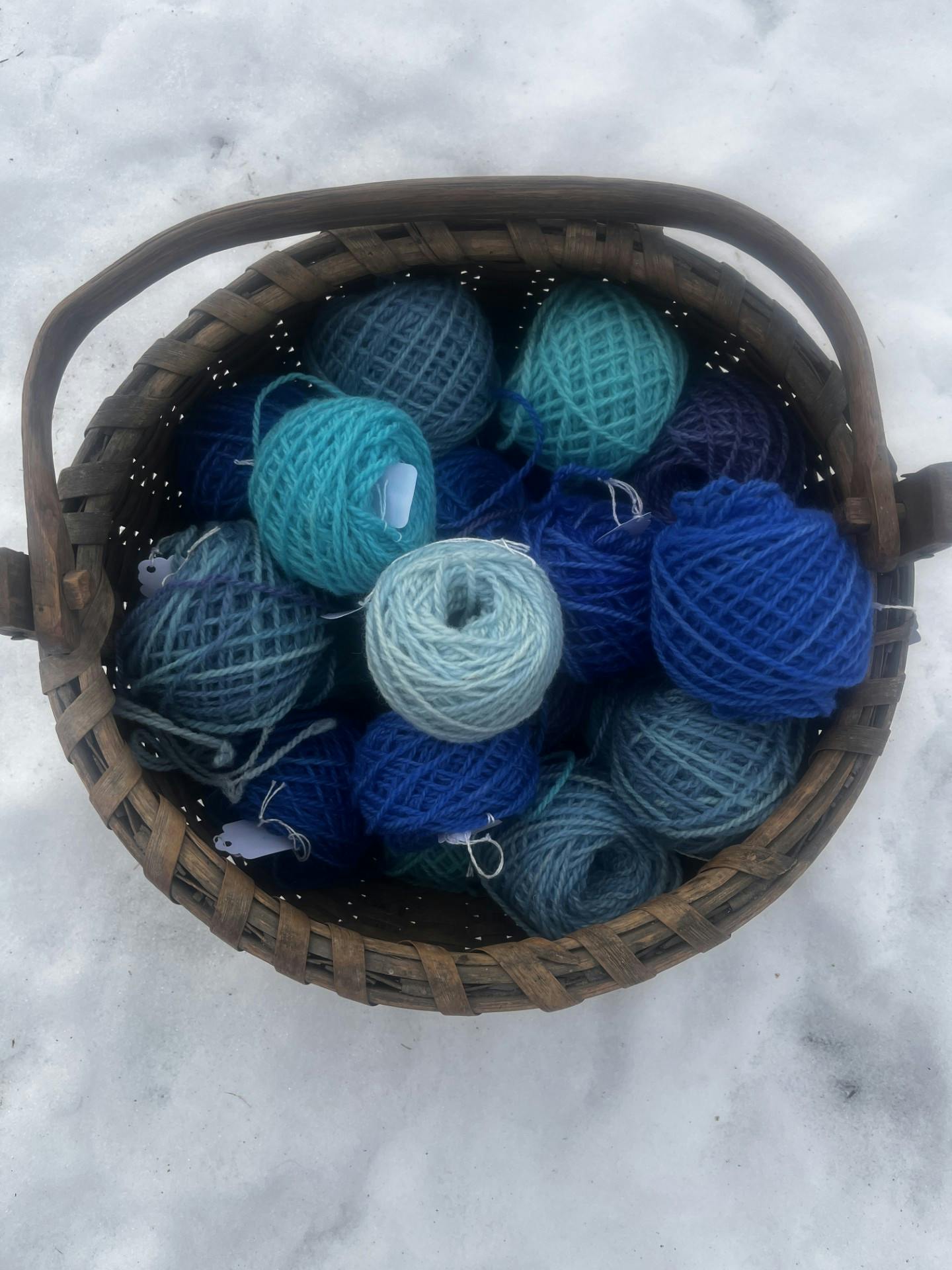
This particular tempestry project will represent changes in temperature in Addison County over the last 100 years. The average temperature from each year will be represented by a single, rectangular knitted strip. The cooler years are rendered in various shades of blue, while warmer ones are knitted in red tones. The hotter the year, the deeper red the color of the yarn used to knit it. The cooler the year, the darker blue the yarn. These strips will be stitched together side by side in consecutive order of year to showcase the shifting temperature gradient of the region.
Middlebury Professor of American Studies Ellery Foutch, who sits on the board of the Henry Sheldon, first learned of the concept of a tempestry project at a conference talk given by scholar Shirley Wajda. The talk, titled Weather Wisdom, was about crafters knitting and visually representing climate change through an organization known as the Tempestry Project.
“I became very interested in that individual response, or record, or quickly discernable representation of climate data into something that was so intimate and handmade and personal,” Foutch said. She introduced the concept of a tempestry to the museum’s Executive Director, Coco Moseley, who molded it into the community project being assembled by the museum now.
“It certainly piqued my interest that it was a way to contend with the real challenges that we’re seeing because of the change in climate. As a community, there aren’t a lot of ways to process what is unfolding before us. Data, when you can see the numbers, doesn’t always translate for people,” Moseley said.
Mike Roy, former dean of the library and information services and chief information officer at the College compiled the data for the Community Tempestry Project using the National Oceanic and Atmospheric Administration (NOAA). He downloaded monthly averages for Addison County from 1923 to 2023 and used them to calculate the average temperature for each year.
With the work of Moseley, Foutch and Roy, the project has taken on aspects unique to the Middlebury and the Addison County community. Often, tempestry projects are knitted and assembled by one artist. By having each year’s representative strip created by individuals within the community, Sheldon is adding an interactive element to the work.
“A big part of the project was wrapping our heads around how we could do this as a community based project, and not just one artist knitting and sharing a tempestry,” Moseley said.
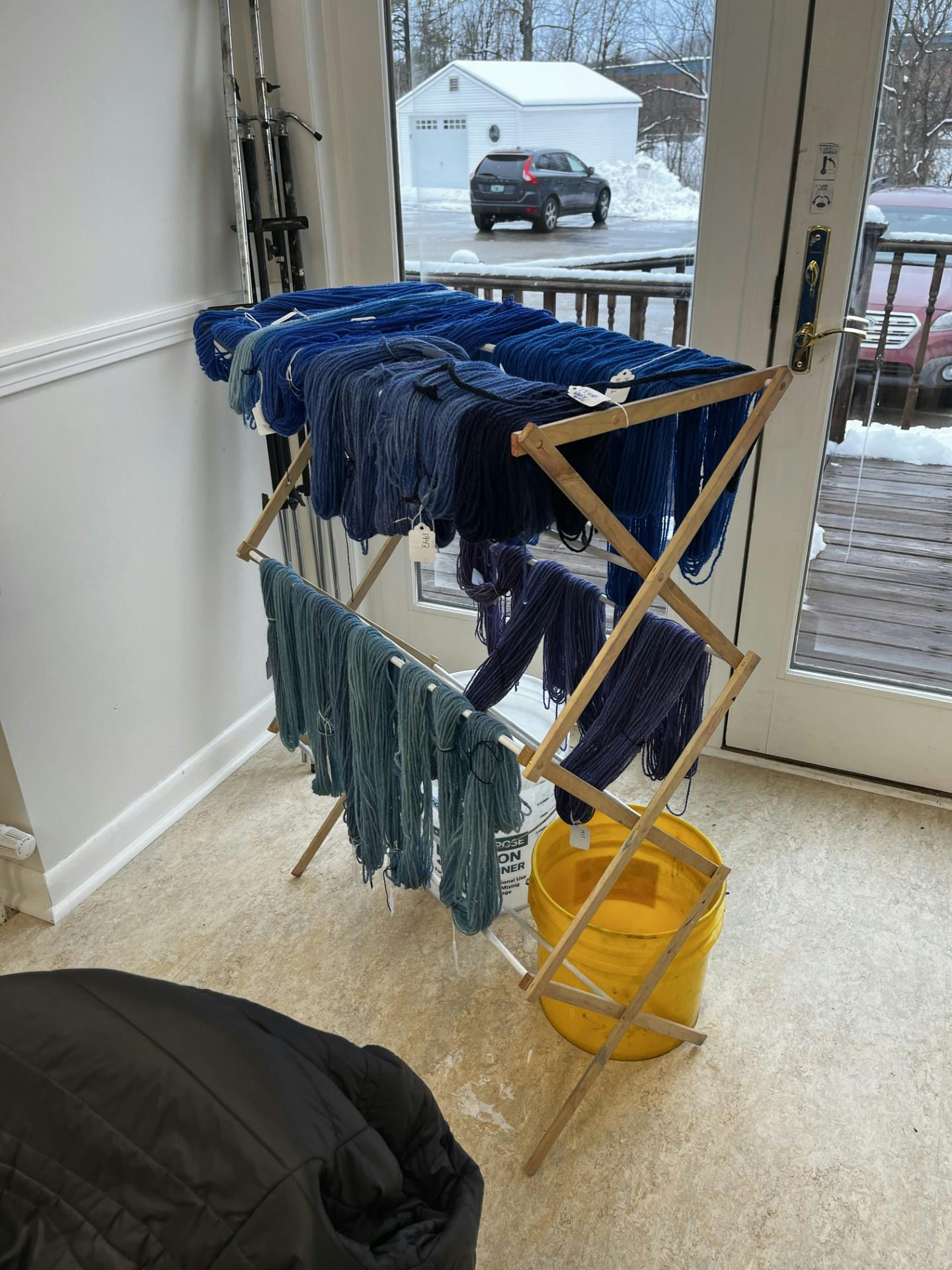
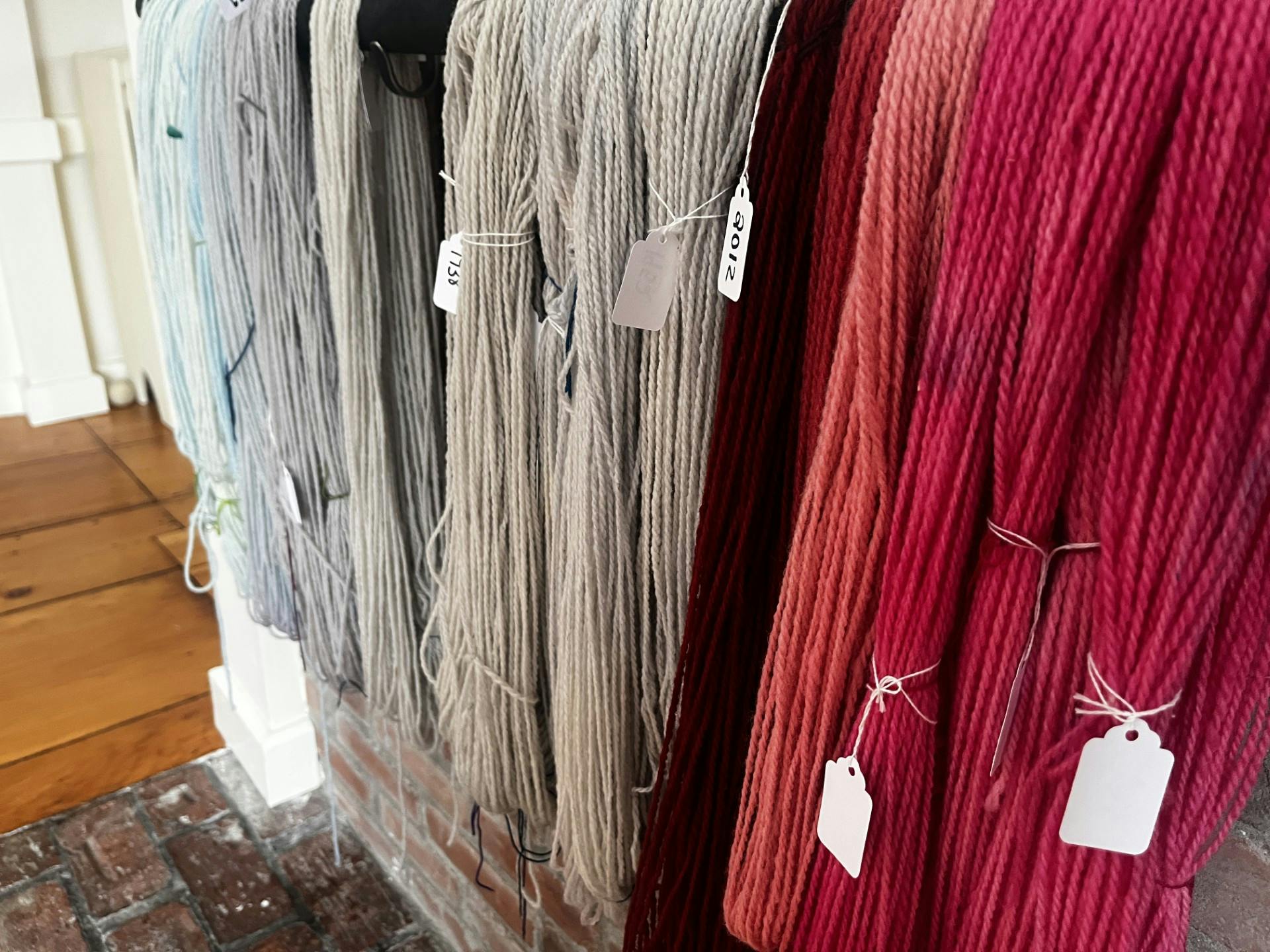
Moseley and Fautch are providing Middlebury-sourced wool that they are dying themselves in knitting kits to community members who have signed up to contribute to the tempestry project. The wool found in these kits was donated by a community member who used to raise sheep.
“You can obviously buy yarn, you can obviously buy anything, online, in any color you want,” Moseley said. “But, in thinking about some of the driving forces behind climate change and behind what we are seeing here, and global consumption rising, and the carbon excess of shipping, there was like, oh, can we do this with local Addison County wool?”
The kits furnished with this yarn are placed outside of the museum, where they can be easily picked up by project contributors. Needles and the knitting pattern will be provided along with dyed yarn. Both beginning knitters and those who have been knitting for years can participate, and patterns will be provided according to Moseley and Foutch.
After retiring from his role at the college, Roy turned his attention and skills to addressing the climate crisis. He joined the Town of Middlebury Energy Committee, became a board member of the Climate Economy Action Network and a columnist for the Addison Independent in his efforts to accomplish this goal. He became involved with the Community Tempestry Project after Foutch approached him.
“I got involved thinking about how we might be able to use the library space as an exhibition space and then once I left I still was interested in the project, so I kept helping out, mostly on the data side of things,” Roy said.
He hopes that community members who choose to knit portions of the temporary project will become inspired to become more involved in local climate activism.
“Some people just like to knit, and suddenly they’re going to be thinking about what’s really happening with changes in temperature and what that means for our community, what that means for people’s lives here in Vermont and more broadly,” Roy said. “It’s really about how do you build conversation around it, how do you get people to understand what this means and to think about what it means as well.”
The Community Tempestry Project directly reflects the newly adopted vision and mission of Henry Sheldon Museum.
“We’re really moving in a direction of community engagement and shared participation, and this as a curious and creative space for the broader community to engage in, and not just to exhibit what’s in the collection but to be in partnership with the museum. So, this is one way that we get to live out that vision and mission,” Moseley said.
Foutch echoed this sentiment. The Henry Sheldon is one of the oldest community museums in the country.
“We really want to be the community’s museum, and have the community feel that way about us as well,” she added.
Students who wish to become involved in the Community Tempestry Project can reach out to Coco Moseley at cmoseley@henrysheldonmuseum.org.
Katrina Schwarz '26 (she/her) is a Senior Local Editor.
Katrina has been a local editor for the three semesters, recently becoming the section's senior editor. She is a Psychology and Italian double major and was a marketing intern at Penguin Random House this past summer.