
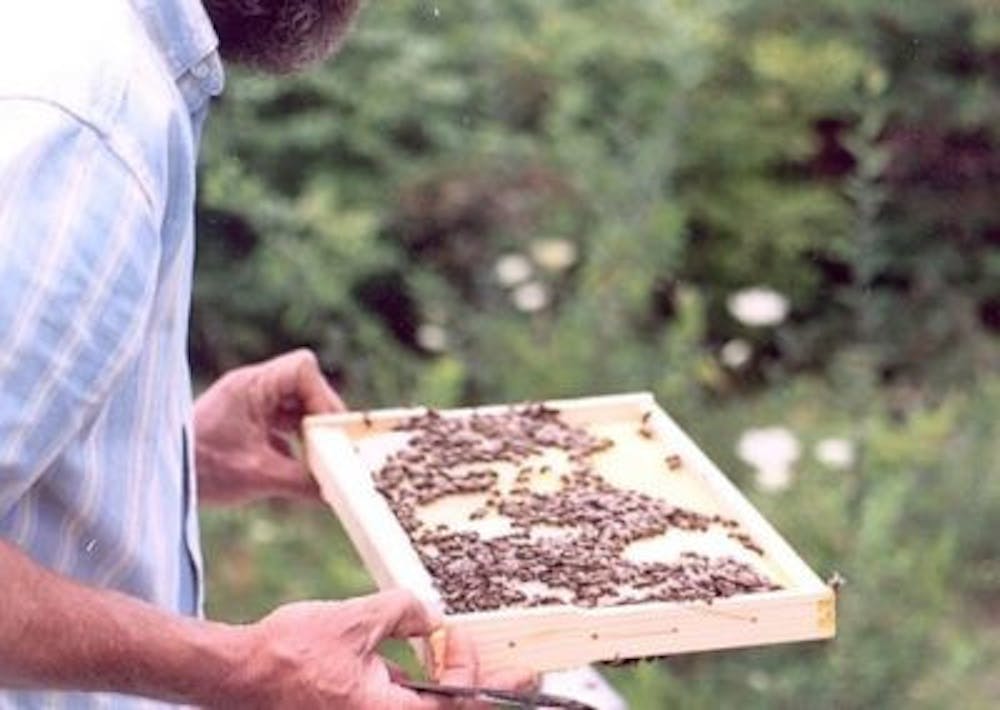
On Nov. 13, the Ilsey Public Library — in partnership with the Vermont Book Shop — hosted Kirk Webster for one of three author series events at the library’s temporary location at 30 Main Street. The event featured Webster’s new book titled “Many Best Kept Secrets: A Wonderful and Unusual Life Around Honey Bees”, which reflects his 50+ years of experience with honeybees and aims to preserve his organic-based beekeeping approach for future generations.
During the event, Webster spoke about his deep roots in Addison County and the experiences that shaped “Many Best Kept Secrets.” He moved to the region from northern New Jersey in 1972 shortly after finishing high school, quickly embracing what would become a lifelong commitment to beekeeping.
Throughout his career, he relied on a network of mentors and influences — most notably world-renowned Vermont beekeeper and his first boss, Charles Mraz, and Japanese farmer Masanobu Fukuoka, known for his natural farming philosophy that rejects chemical and fossil-fuel inputs.
In his book, Webster highlights this theme of mentorship as a driving force in the development of his unconventional beekeeping methodology, which prioritizes an organic treatment of his colonies to produce clean, high quality honey using zero chemicals, which in many ways stands out from classic beekeeping methods.
“The industrial agriculture mentality is treating the problem with the next new chemical,” Webster said to the audience.
In the early chapters of his book, he highlights the potent beekeeping legacy of the Champlain Valley.
“[The valley] has been known for beekeeping since the European settlement,” he said.
Addison County’s thriving beekeeping community, which had long drawn farmers from around the country, was jeopardized in the 1980s when short seasons and harsh Vermont winters made the south a more attractive region for commercial beekeeping. According to Webster, this shift occurred with the winterization of colonies. This key advancement in beekeeping enabled climatically marginalized beekeeping communities, such as the longstanding coalition in Vermont, to protect its vibrant culture as more attention was diverted to commercialized beekeeping down south.
Webster warned, however, that climate instability now threatens beekeeping nationwide. Nearly 60% of colonies across the U.S. were lost last winter, which was one of the worst recorded years for American beekeeping.
With climate pressures mounting and fewer people entering the trade, Webster said the cultural and ecological importance of beekeeping is increasingly at risk.
“Beekeeping is evaporating from Western culture,” he said.
Still, he emphasized the efforts of local keepers and writers to preserve this knowledge. Through storytelling and documentation, Webster hopes to rekindle appreciation for honeybees and natural agriculture in Vermont and beyond.
While each year Webster is tending for fewer colonies as he is passing his honeybees down to a younger local beekeeper, he plans to continue to share his wealth of knowledge for organic beekeeping through another book focusing specifically on the details of his beekeeping methodology which he plans to start writing this coming winter.
The author series program at the Ilsey Public Library has served as a venue for showcasing the unique works of Vermont authors for the past four years.
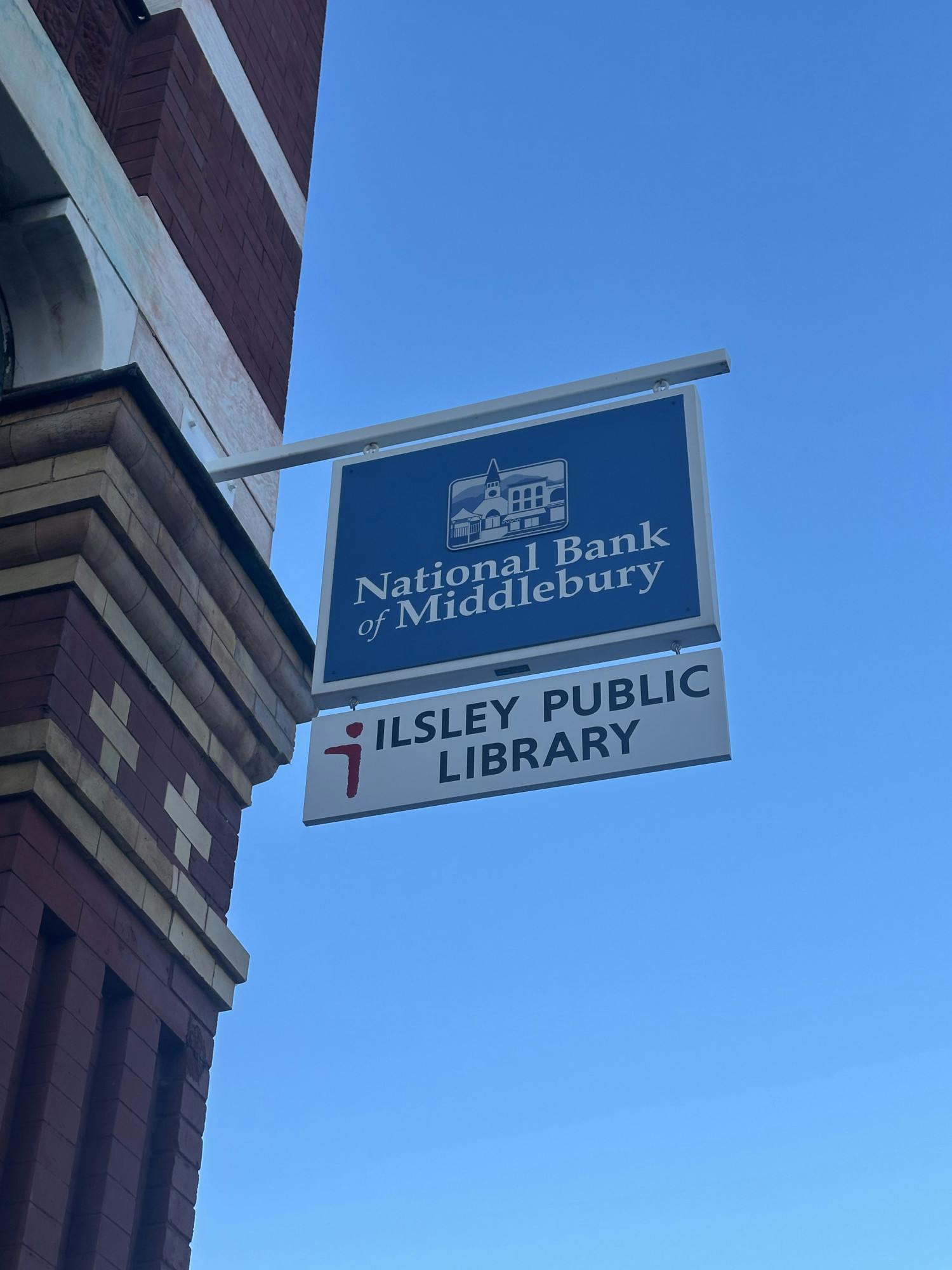
“Before IPL had to move to its temporary location, we had a VT author presentation each month,” explained librarian Renee Ursitti in an email to The Campus.
She shared that the VT Author Series came to life in 2023, but was on hiatus while the library moved to its temporary location. Now, with the help of Vermont Book Shop owner Becky Dayton, the series is back.
“Both Becky and I get many requests from local authors for programming,” Ursitti wrote. “By creating this on-going series, we were able to provide an opportunity for authors to connect with readers as well as our community to learn about the talent that lives right next door. Part of the library's mission is to support local authors.”
Editor’s Note: Senior Local Editor Katrina Schwarz ’26 contributed reporting to this article.


