
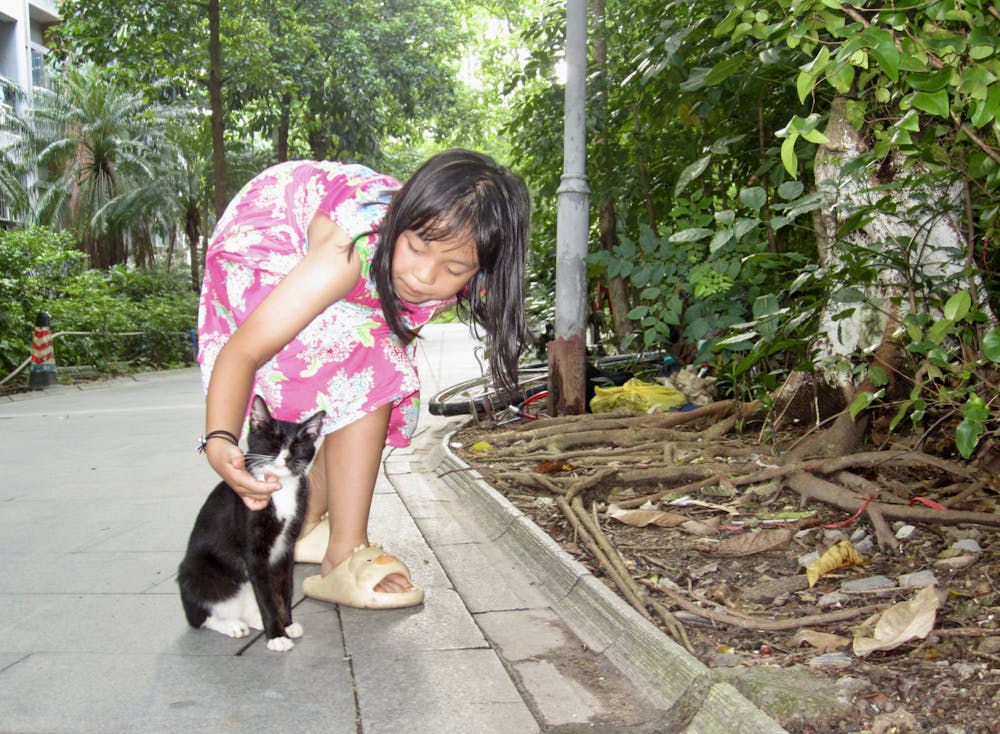
In my return this year to my parents’ motherland, each meal was both an incredible joy and a marathon of appetite. For two weeks at the end of summer, I pilgrimaged to the two sides of the family in China. My father’s side lives mostly on the 16th floor of an apartment complex in the Southern metropolis of Guangzhou, Guangdong province. Stray cats and boisterous children congregate under the concrete awnings while elders chatter, fanning themselves beneath sprawling Banyan trees. My mother’s side lives in an older, quieter condominium neighborhood in the Northern prefectural city of Changzhi, where a man in a faded blue canvas uniform rings a bell in the evenings for residents to pick up bagged milk, and where after long summer days, people park their mopeds in the alley under powdery yellow lights. In both the north and the south, I felt incredible love through my Aunties’ cooking, and ate to new digestive limits to show mine.
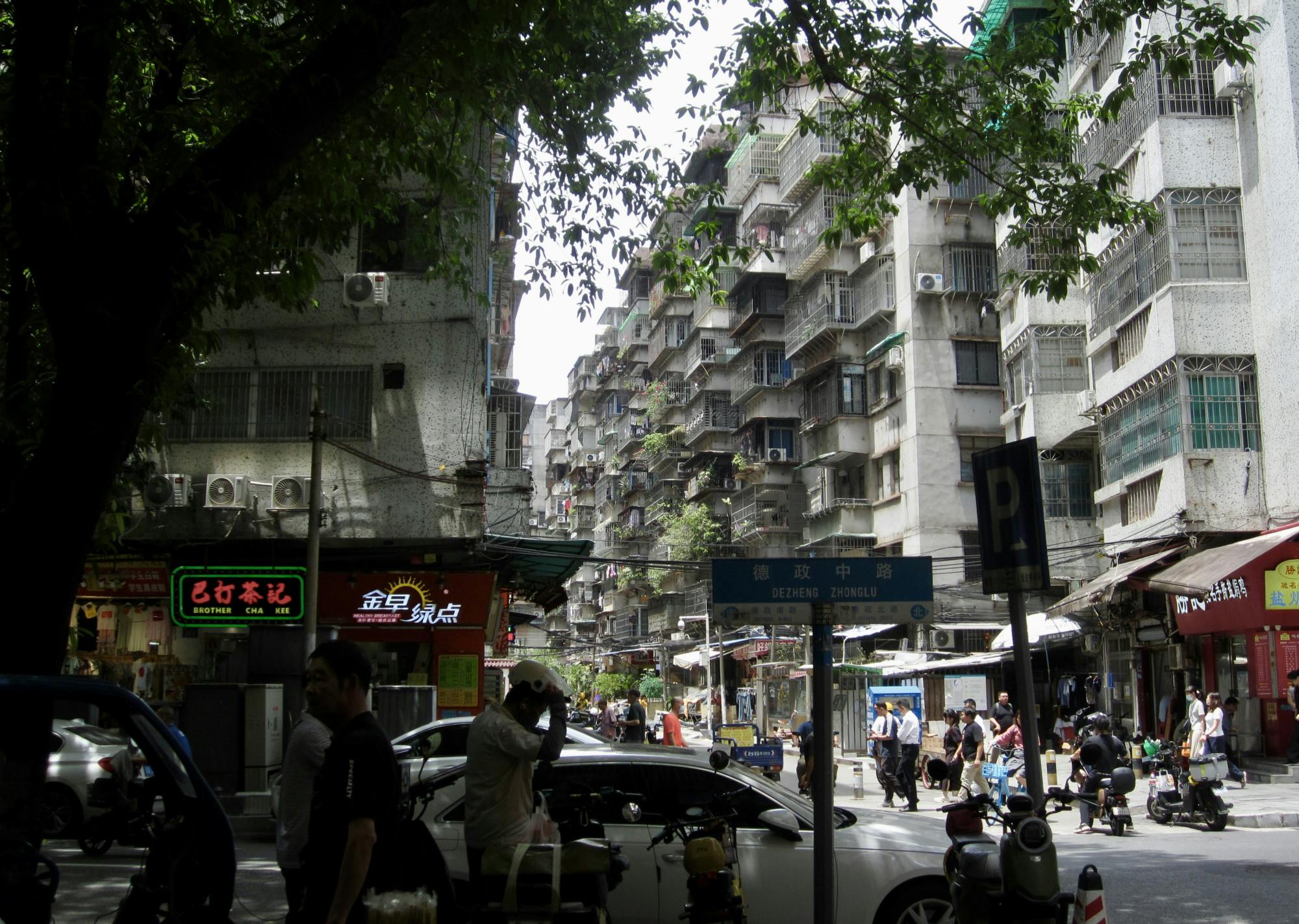
Eating Hakka cuisine, I bathe in umami white grain porridges and long-simmered soups, and stir fries with the aroma of julienned ginger and tender green onions. My dad’s side is of the Hakka ethnic group and migrated to Guangzhou from the rural north of Guangdong province. Even though “Hakka” literally means “guest people” from our history of displacement and discrimination, Hakkas make up a significant portion of the melting pot of modern Guangzhou.
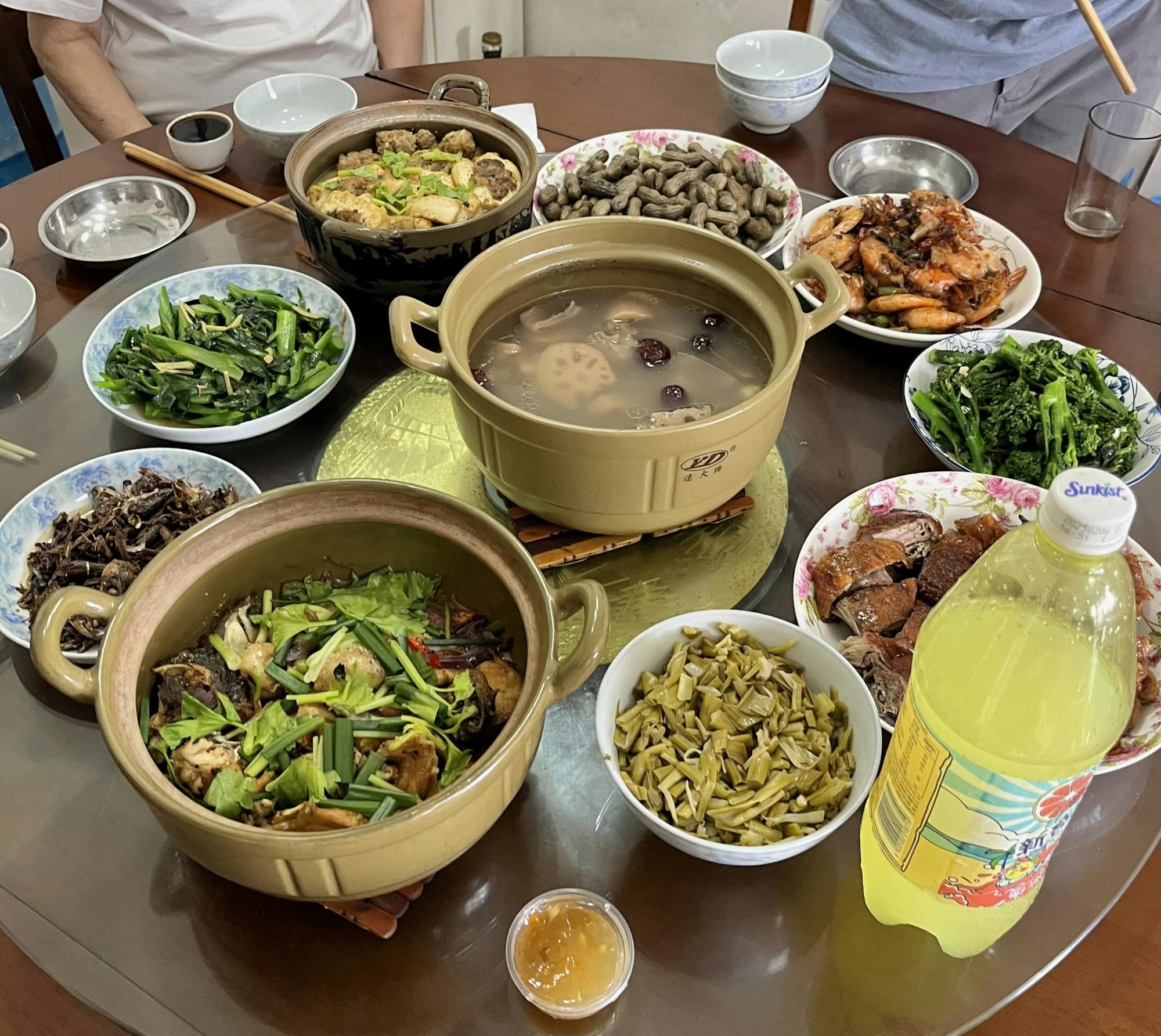
The revolving glass-top table in front of me gently spins from the gentle drag and lingering fingertips of the family around me. Grainy, wooden chopsticks chime against shiny ceramic bowls of what’s in the central cornucopia: 酿豆腐 (Niang [Stuffed] Tou Fu [Tofu]); 皮蛋瘦肉粥 (Pi Dan [Century Egg] Shou Rou Zhou [Lean Meat Porridge]); an assortment of 青菜 (Qing Cai [referring to a large variety of Chinese greens]), and 炒莲藕 (Chao Lian Ou [Stir-Fried Lotus Root]), to name a few common dishes.
Paired with the beautiful, quarrelsome sound of the Hakka dialect flying around me at the dinner table and the whirring of the rotating fan washing away the thick, tropical air, I know I am home. My aunties whoosh around me, insisting I sit, insisting I eat more, while effortlessly exhibiting a masterclass of cheffery, feeding and caring for a family ranging from ages nine to 91.
While the same food-worshipping attitude is also par-for-the-course with my family in Changzhi, I am instead indulging in thick dough creations: Dumplings, 馅饼 (Xian Bing [Chinese Stuffed Pancake, which I would personally characterize more like a stuffed tortilla/pupusa]), and a fantasyland variety of noodles: Fried, soupy, knife-cut, pulled, pressed, long, short, skinny, fat, medium, cold, hot and piping.
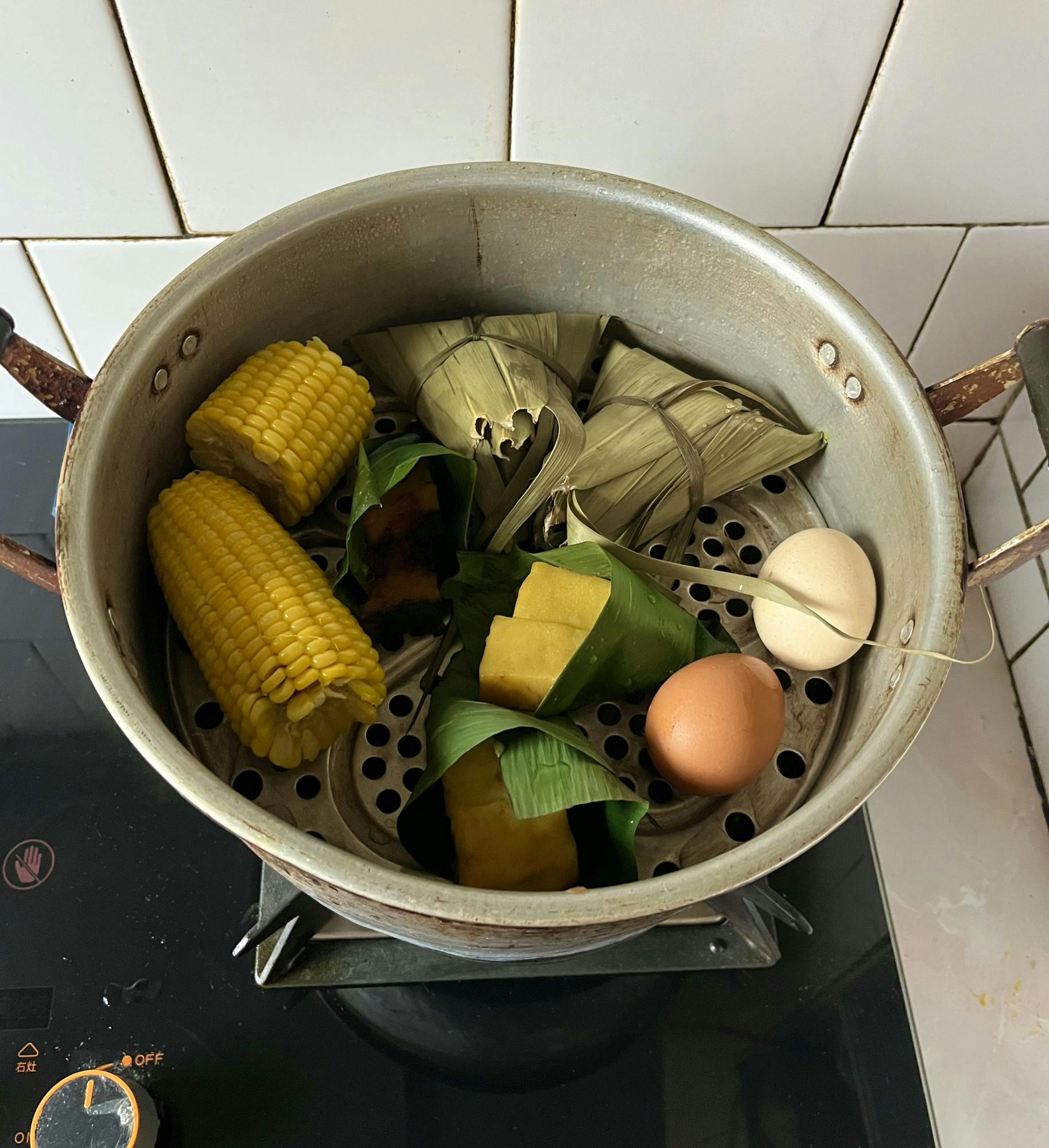
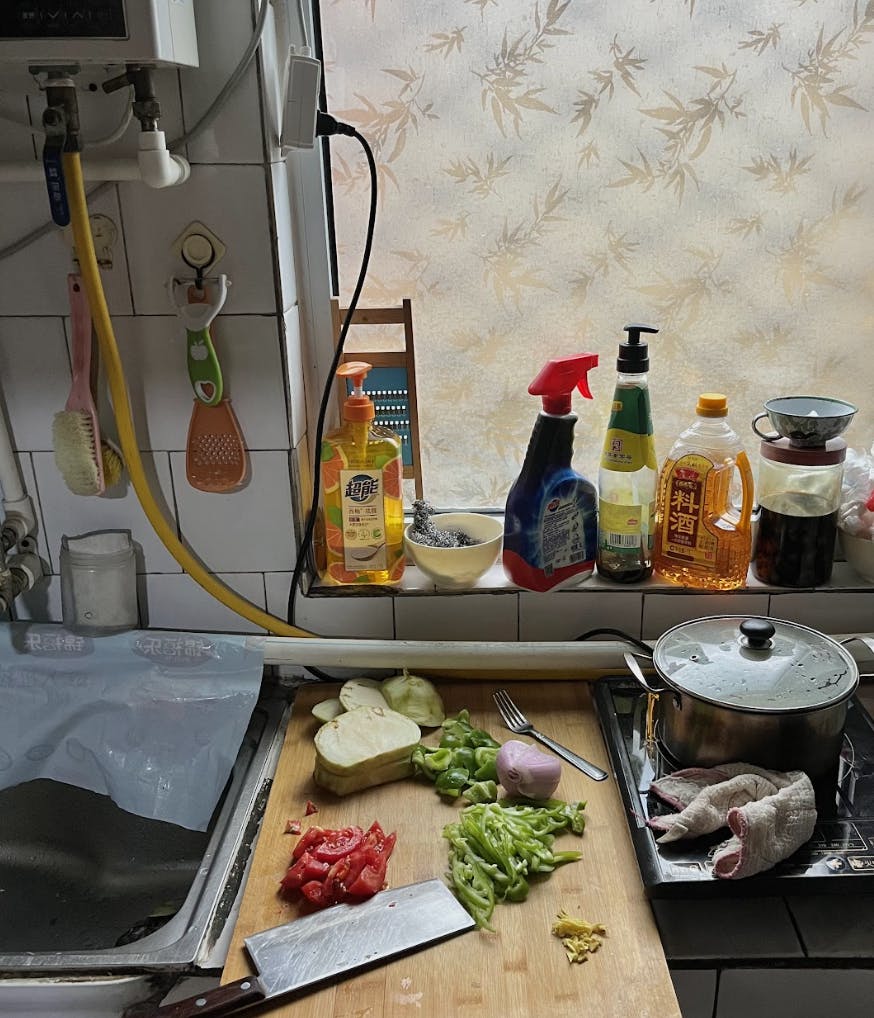
I arrived in my grandparents’ home in Changzhi to the gorgeous sight of 卤面 prepared by my 大姨 (eldest aunt): Crinkly, thin-cut noodles with meaty, stir-fried green beans and sprinkles of fatty pork belly. With my mom and three aunts, squatting on our red plastic stools next to my grandma’s bed in the living room, I make comical yelps of joy, crying to my aunt about how happy I am to be eating her food once more. Blankets with faded Soviet-floral designs glow in the reflection of the sharp noon-time light. The warm smell of cooking oil and the slightly dusty smell of a home well-loved coax me in the fog of my food-coma.
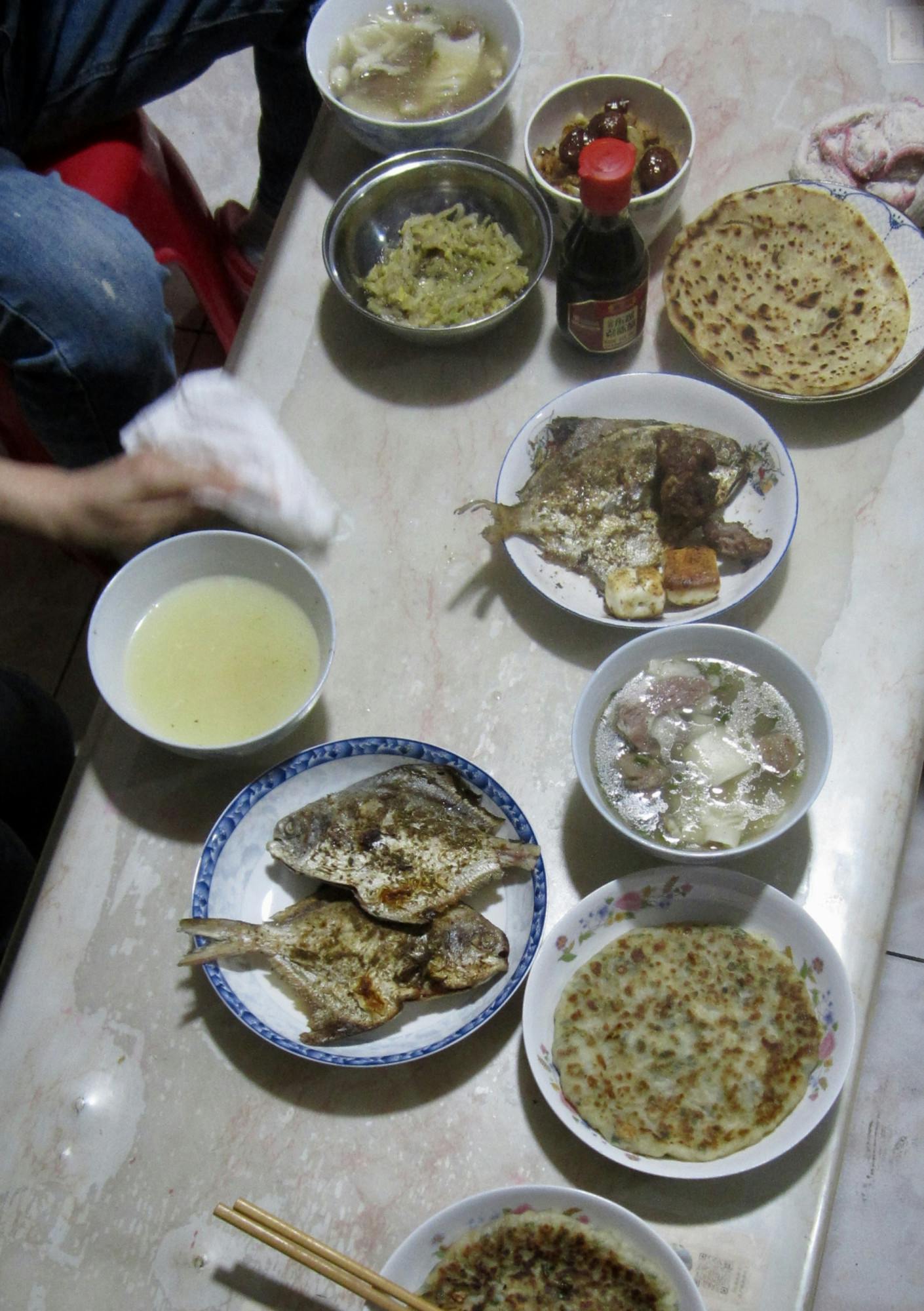
What mental image do my loved ones in China have of me? I imagine and live in an idea of “China” as food and love, food as love, love as food. I’ve been so lucky to have visited China a dozen times, spending about three weeks each summer. My 姥姥, grandma on my mom’s tv side, spent my toddlerhood with me in the U.S. As a result, I only knew Mandarin until I entered preschool. My 大姨 never stops reminding me of my tears sending her to the airport at the end of her four-month U.S. stay. I was once the child being fed pureed peaches in a high chair by my 姥姥, and now I am the grandson (at a Chinese Paul Bunyan height of 5'10) crouching over to spoon 小米粥, yellow-millet porridge, into her dentured mouth. And I’m sure my 大姨 still sees the same bowl-cut donning rat of a six-year-old in me, even though I am now more than three times that age and perhaps more of an obstruction in her small kitchen than a helpful sous chef.
June Su '27 (he/him) is the Senior Multimedia Editor.
June is a political science major and studio art minor, also studying history and Spanish. He spent the summer of 2025 working as a political science research assistant examining investments in the Congo River Basin to achieve international biodiversity and carbon goals.


