
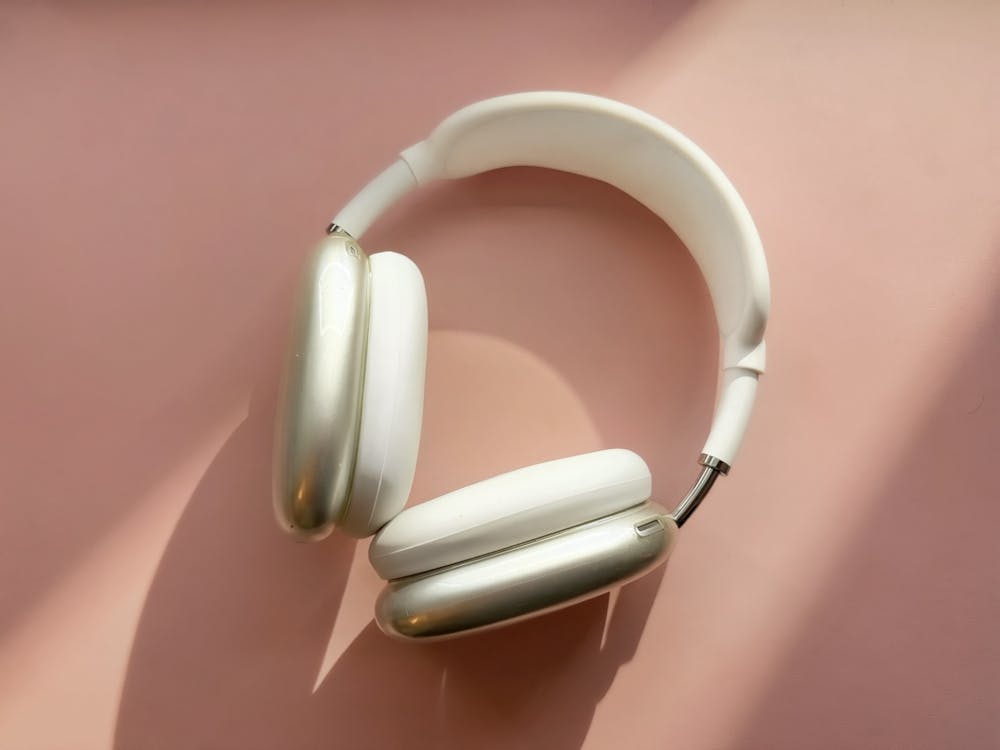
On any given walk to class, the campus feels quiet — not because it is silent, but because so many of us are plugged in. AirPods in, eyes forward, moving through shared space while listening to something entirely private.
It sends a subtle signal: I’m occupied. I’m elsewhere. Don’t interrupt. Without saying a word, it establishes a boundary. Headphones may be normal. But they are not neutral.
A few days ago, I passed a friend on campus. We exchanged quick hellos. Later that day, she told me she had asked a question after saying hi — one I completely missed because I was listening to music. I wasn’t trying to ignore her. But I was unavailable.
This interaction matters in a moment when many college students are already struggling to find connection. Rising rates of anxiety, depression and burnout have reshaped the landscape of college life. Nearly 60% of college students report struggling with their mental health, self-esteem and finding purpose and connection. One survey found that 57% of students report feeling lonely.
At the same time, small, in-person interactions are quietly disappearing. With the rise of digital communication, we often rush through daily exchanges — grabbing coffee without eye contact, scrolling while waiting for class and offering a quick nod instead of a conversation. These moments may seem insignificant, but research consistently shows that casual interactions contribute meaningfully to happiness and well-being.
Psychologists call this “relational diversity” — maintaining a varied portfolio of relationships, beyond friends and family, including coworkers, classmates and others. Research shows that those who engage regularly across different social circles report feeling less lonely. Fulfillment grows from everyday encounters, not just deep ties.
Public spaces allow us to see and be seen. A small greeting, a smile, a follow-up question after “hello” — these moments can transform transactions into interactions. This is where headphones complicate things.
Headphones can make public spaces feel more private. There’s something quietly amusing about walking to class thinking, No one would ever guess I’m blasting EDM at 8:30 a.m. right now. It can feel comforting — carrying a hidden soundtrack through shared space.
And to be clear, headphones are not inherently negative. For many students, they are a tool for focus, comfort and stress regulation. The spring semester is demanding. Assignments pile up. Labs feel endless. Midterms loom. Music can steady us, motivate us and help us move through the day.
But when we are constantly plugged in, we reduce the likelihood of spontaneous connection. We limit the chance of overhearing something interesting. We miss the casual question after a passing hello.
In an era of constant input — from social media, streaming platforms, notifications — headphones can extend that stream of stimulation. They allow us to avoid sitting alone with our thoughts.
Over February break, I discovered this accidentally. Settling into my airplane seat to return to campus, I opened my AirPods case and found two empty slots. I had left them in the car. I panicked at the thought of travelling from Wyoming to Vermont without headphones. But it turned out to be one of the calmest travel days I’ve had in a long time. I read. I finished my homework. I felt less scattered and more present.
In a time when more than half of college students report feeling lonely, it’s worth asking what we might miss when we are always plugged in. Headphones give us control. They give us privacy. They give us a soundtrack to stressful semesters.
But maybe every once in a while, it’s worth taking them out — just to see what happens.
