
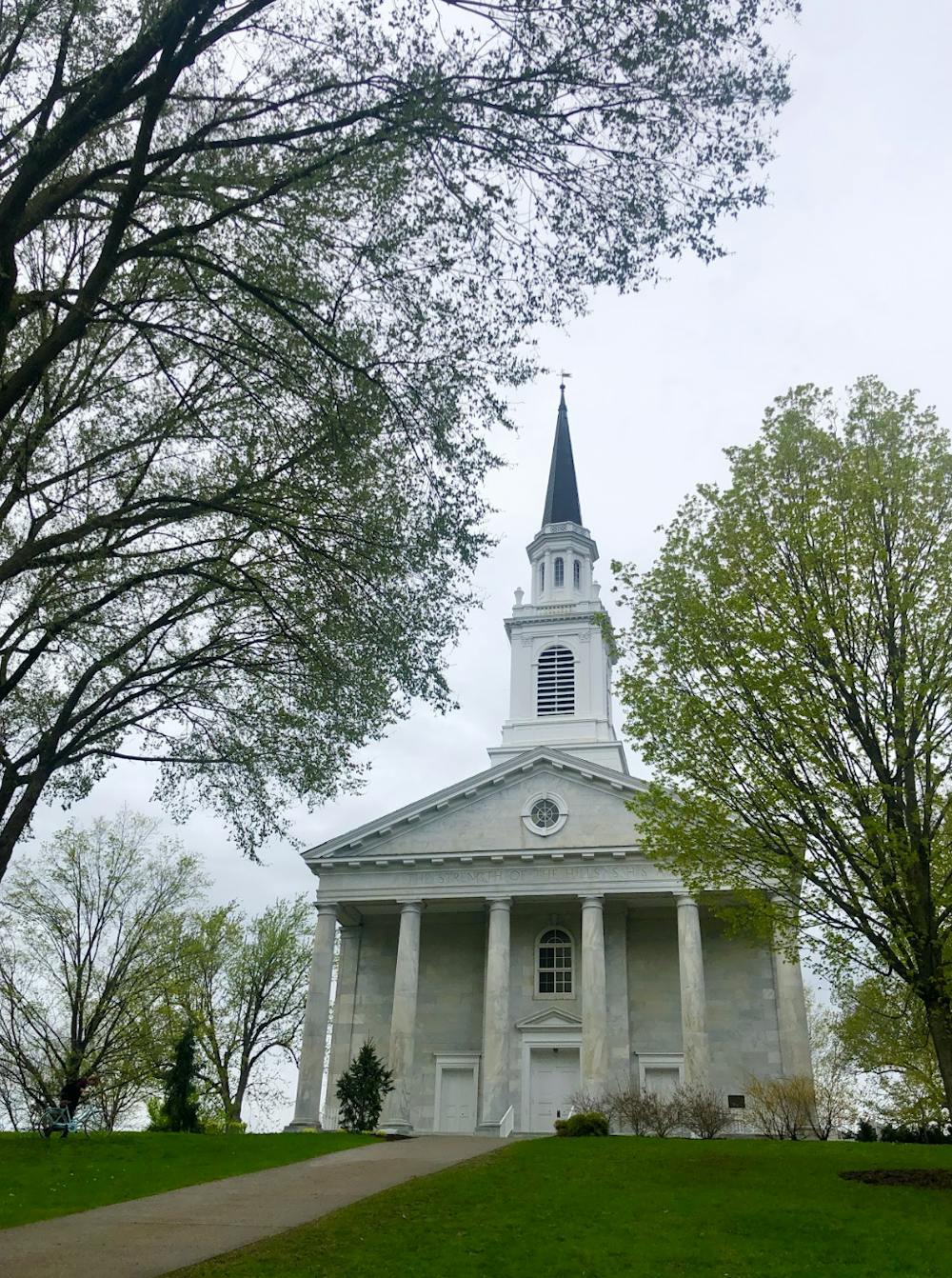
The Middlebury Commencement is in the realm of the sacred, in what sociologist Émile Durkheim called “the ritual sense of the word. It has … transcendental majesty.” What are its sacred elements? The processional, during which faculty and other luminaries enter to the applause of seniors; the land acknowledgement and opening prayer; the commencement address (e.g., speaker Isabel Wilkerson’s inspiring call in 2018 for “radical empathy”); the singing of the Alma Mater, with its paean to the “sunset glowing o'er the mountains, snowy peaks and winding ways”; the recessional, during which the seniors — now Middlebury graduates — exit to the applause of the faculty and the others. It all adds up to a timeless, transcendent ritual.
Our ongoing budget conflict, by contrast, is in the realm of the profane, the day-to-day. To say so does not diminish the urgency of this moment. This spring, many faculty and staff are outraged by the administration’s announcement of pending budget cuts, as expressed in the recent sense of the Middlebury Faculty motion, which stated “We demand that Middlebury’s trustees and administrators rescind the recently announced compensation cuts and enrollment increase,” and in the May 8 “Walkout to Defend Middlebury.” Yet these resolute actions remain in the realm of the profane, where I believe this conflict should reside and, in time, be transformed.
On Commencement 2025, I hope that the profane will not extinguish the sacred; I hope that faculty colleagues will join the ceremony in full regalia, thereby honoring our students and their families.
The bonus? Joy flows from the sacred. The joy of giving high-fives to graduating advisees, taking in the celebratory antics of proud multi-generational families, and shouting huzzahs to newly tenured colleagues as they receive their own Gamaliel Painter cane (OK, that’s more goofy than sacred). Joy is in turn a tonic for outrage, even for anger: in the words of philosopher Martha Nussbaum, it can lay the groundwork for our community to transition from anger and “to turn forward to constructive work and hope.”
Jonathan Isham is a Professor of Economics and Environmental Studies.
